Showing posts with label infectious disease. Show all posts

Tuesday, July 31, 2018

Out of sight, out of mind: The massive hepatitis A outbreak no one is talking about

Since early 2017, over 4,500 cases of hepatitis A have been reported in outbreaks across 10 states in the United States, a massive increase from the 1,390 cases and 0 outbreaks seen in the entire country in 2015. And the cases keep rolling in. The states reporting outbreaks so far are Arkansas, California, Indiana, Kentucky, Michigan, Missouri, Ohio, Tennessee, Utah, and West Virginia, but additional cases have been reported in other states. Disease has been fairly severe in these outbreaks, leading to a ~60% hospitalization rate, compared to the typical ~30% for hepatitis A, and at least 62 deaths. These outbreaks have mainly plagued the homeless and illicit drug-using populations, which has kept outbreak coverage largely out of the national news. But there have also been reports of cases in people outside these groups, with a growing number of cases among food service workers.

The disease hepatitis A is caused by the hepatitis A virus (HAV). While "hepatitis" can be caused by several viruses that share similar names, the hepatitis viruses are quite different from each other. HAV is an unenveloped RNA virus from the picornavirus family, the same family as poliovirus and rhinoviruses.  Alternatively, hepatitis B virus is an enveloped double-stranded DNA virus from the hepadnavirus family, hepatitis C virus is an enveloped RNA virus from the flavivirus family, and hepatitis E virus is a quasi-enveloped RNA virus currently classified in the hepevirus family (hepatitis D virus is considered a subviral satellite since it cannot replicate without the presence of hepatitis B).

A cluster of HAV virions
CDC's Public Health Image Library.
Image # 2739; photo credit: CDC/Betty Partin.
HAV causes acute liver infections, which typically manifest with symptoms such as fatigue, nausea and vomiting, abdominal pain, low-grade fever, and jaundice (yellowing of the skin and whites of the eyes). Symptoms tend to appear 2-4 weeks after exposure to the virus and can last for a couple months. Previous hepatitis A outbreaks in the United States have been associated with eating contaminated food, such as an outbreak caused by imported pomegranate seeds in 2013. However, in the current outbreaks, the virus is being transmitted from person to person through contact with fecal material, leaving people with poor sanitation and hygiene at increased risk.

A vaccine for HAV exists and is extremely effective at preventing disease. Children are routinely vaccinated around age 1, providing protective immunity against the virus. Unfortunately, the vaccine was not approved for use until 1995, so many adults over the age of 25 have never been vaccinated and remain susceptible to HAV infection. Vaccination in adults is an option but is only routinely done for high-risk individuals, such as people traveling to countries where hepatitis A is common, caring for an individual with hepatitis A, or using recreational drugs. The vaccine can be given as a prophylactic before exposure or as a treatment post-exposure; as long as a person is vaccinated within 2 weeks of exposure, infection can still be prevented. However, mobilization of the vaccine to those at highest risk of infection in these outbreaks has been difficult due to the barriers in access to health care that exist for the homeless and drug-using populations. Additionally, other than the vaccine, there is no real treatment for HAV infection; giving patients rest, fluids, and adequate nutrition is the only course of action. 

While local health agencies and the Centers for Disease Control (CDC) have been working to contain these outbreaks and prevent further spread, vaccine availability and lack of funding have threatened efforts. When the outbreaks began, demand for the vaccine increased dramatically, leading to shortages in the vaccine supply. Fortunately, this issue has since been resolved thanks to vaccine suppliers GlaxoSmithKline and Merck ramping up production. However, the Section 317 Immunization Program from the CDC that has been essential in paying for these vaccines has already experienced funding cuts and may experience more in the coming year. Additionally, many public health officials feel they are not being provided with enough funding to support the other essential componenets of combating viral hepatitis.

Since the virus is spreading from person-to-person contact in these outbreaks, improved sanitation and hygiene are key to reducing spread. Achieving these goals in the populations at risk has not been an easy task. In California, officials resorted to cleaning their public buses, streets, and even sidewalks with bleach to complement their vaccine distribution campaigns. It is now believed that the outbreak in California is over, giving hope that employing similar strategies could improve outbreak containment in other states. Outside California, the number of cases per day has been trending downwards in some areas, but that trend has not been consistent, and officials warn that there is still a significant threat. Improving sanitation for the over 500,000 Americans experiencing homelessness is an essential measure to end the hepatitis A outbreaks and prevent future infectious disease outbreaks in the United States. In a tough funding climate, this will not be easy to achieve, but state health departments and private non-profits are working vigilantly towards this goal. Until then, wash your hands, wash your hands, and wash your hands to help fight the spread of HAV.

Latest case report statistics, July 2018
State
Cases
Hospitalizations
Deaths
Arkansas
63
Not reported
≥ 1
California
704
461
21
Indiana
298
136
1
Kentucky
1,221
687
8
Michigan
865
695
27
Missouri
145
63
0
Ohio
176
114
0
Tennessee
113
64
0
Utah
264
139
≥ 2
West Virginia
699
428
2
Total
4,548
≥ 2,787
≥ 62

Thursday, March 29, 2018

New funding (and new hope) for a Lassa virus vaccine

Nearly 2 years ago in 2016, I wrote a post about a deadly virus that was causing a worrying outbreak in Nigeria: the Lassa virus. For the rest of 2016 and 2017, the outbreak lessened in severity, but it was not completely eliminated. Unfortunately, this year has featured a new surge in infections with the virus. In just the first 2 months of 2018, at least 317 people have been infected with Lassa virus, far surpassing the 143 cases confirmed in all of 2017. Additionally, around 20% of those infected in 2018 have died from the infection.

While the reports from March suggest that the current outbreak is slowing, major hurdles for the containment and management of Lassa fever cases still exist. The disease is carried by multimammate rats, which are difficult to keep out of homes and away from human food, especially as populations in Africa grow and the once-empty fields where the rodents live are developed. The long asymptomatic period at the beginning of infection makes it difficult to diagnose and treat effectively. Even once symptoms do manifest, they tend to be mild and non-specific, with 80% of those infected suffering from mild fever, general malaise, and/or headache. Additionally, the sub-optimal treatments have not improved in recent years, and there is still no vaccine.

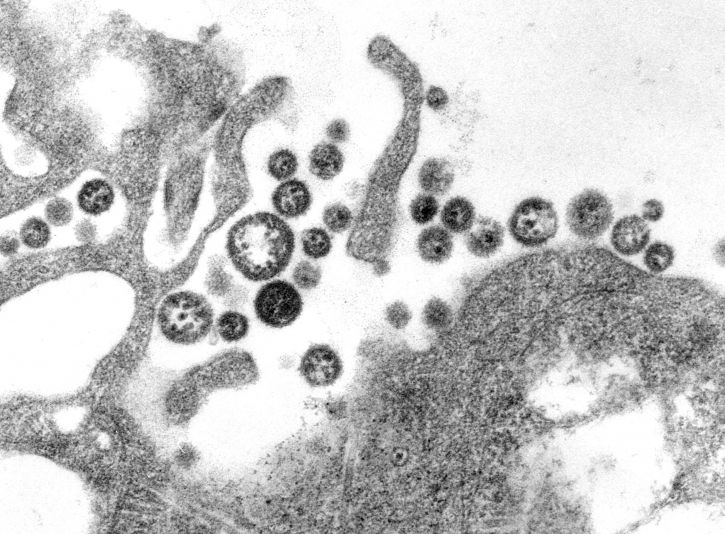
lassa, virus, virions, adjacent, cell, debris, virus, member, virus, family, arenaviridae
Lassa virus particles. CDC's Public Health Image Library.
Image # 8700; photo credit: C.S. Goldsmith.
In an attempt to deal with these issues, the Coalition for Epidemic Preparedness Innovations (CEPI) awarded $37.5 million to Themis Bioscience earlier this month for the development of their Lassa virus vaccine. CEPI was created in the wake of the Ebola epidemic and receives funding from the Wellcome Trust, the Bill & Melinda Gates Foundation, the European Commission, and the governments of Germany, Japan, Norway, Belgium, Canada, and Australia to support the development of vaccines for potential or existing pandemics. While there are many diseases that could fall into this category, the main focus in the next 5 years for the group will be Lassa virus, the Middle East Respiratory Syndrome (MERS) virus, and Nipah virus.

With the funding from CEPI, Themis plans to move into human trials with their Lassa virus vaccine as early as this year. Following the Ebola crisis, the World Health Organization developed a procedure to fast-track the approval of products for use in public health emergencies. The hope is that these procedures could be used in the context of the Lassa virus outbreak to accelerate the development of the Themis vaccine. To further speed development, the Themis Lassa virus vaccine will be based on the measles vaccine vector previously created by the Institut Pasteur, which has already been used effectively in humans. By inserting Lassa virus proteins into this vector, a new vaccine that will prime the body to respond to a Lassa infection will be created. This strategy opens the door to allow for the rapid creation of additional vaccines, as well.

The funding from CEPI will support the preclinical and initial clinical development through a phase 2 trial of the Themis Lassa virus vaccine in order to test its safety and efficacy. The ultimate goal is that the funds will allow the production of a vaccine stockpile that will be ready to test in an outbreak, which may be needed sooner rather than later. While the current outbreak appears to be slowing, and the dry season, when the majority of Lassa fever cases in Nigeria have historically occurred, is coming to an end, a report from Sierra Leone has suggested that the incidence of Lassa fever may actually be higher during the rainy season. This leaves uncertainty about the outlook for the current Lassa fever outbreak. But whether the outbreak continues now or goes dormant for the next 10 years, a vaccine will be a vital weapon in the fight against Lassa virus for the future.

Friday, March 31, 2017

Mobile phones can make the difference for infectious disease management

Imagine going to the doctor for an HIV test in sub-Saharan Africa. You will likely have to travel a long distance to get to a clinic and, once you arrive, the HIV test will require specimens to be sent to a central testing laboratory for the actual test to be performed. You will then have to wait for the results to be delivered to the clinic and travel back to get the diagnosis. In Zambia, it takes approximately 92 days for this process to be completed. When you are an HIV-positive mother waiting to find out if your newborn child needs anti-retroviral therapy, each of those 92 days can be the difference between life and death for your baby.

New work from Dr. William Moss of the Johns Hopkins Bloomberg School of Public Health and his group focuses on finding ways to shorten the 92-day wait for HIV test results. Capitalizing on the increasing amount of technology available in rural Zambia, Moss and colleagues conducted a study using text messaging to deliver the HIV test results directly to mothers or to the rural health clinics from the central testing lab. They found that by sending a text message to the mother directly, they could reduce the time from sample collection to receipt of diagnosis to just 18 days. Unfortunately, the use of mobile phones is still not widespread; only 30% of mothers in the study had ever used a mobile phone. Luckily, the local clinics do have mobile phones, so using text messaging to deliver results to the clinic can still decrease the time to diagnosis to 36 days. By cutting 56 days off the wait for the diagnosis, the HIV-positive children will receive anti-retroviral therapy nearly 2 months earlier. Reducing the time to treatment for HIV-positive children has been shown to significantly reduce the HIV-associated morbidity and mortality, vastly improving their quality of life.

This is not the first time mobile phone technology has been used in Africa to impact health care. As the number of cell phones throughout the area has increased, some clinics have chosen to provide expectant mothers with a mobile phone so that they can get expedited access to an experienced midwife or healthcare professional. In other areas across the continent, SMS services have been used to target pregnant women and new mothers to ensure early detection of life-threatening emergencies and adherence to treatment regimens for pathogen clearance. These methods and Moss’s study highlight the same conclusion: increased access to mobile phones throughout the area can have major positive impacts on health care. Funding and infrastructure for such technological advances remains a major issue hindering progress.

As noted by Moss in his recent BMC Pediatrics paper, implementation of the mobile phone messaging system for test result delivery was by no means trivial. It required the hiring and training of new staff members, along with the purchase of the study’s mobile phone and “talk time” for the phone. However, with the right funding and infrastructure, the spread of technology throughout Africa has the potential to have significant and widespread impacts on healthcare. Studies such as the one by Moss and colleagues highlight the great potential of available technology. This encourages governments and private sector investors to take note and get involved. Someday soon, nationwide mobile phone messaging systems may become common place, drastically cutting the time to diagnosis and improving individual’s access to care and treatment. 

Wednesday, February 15, 2017

Killing two birds with one stone: A new vaccine to fight rabies and MERS-Cov

In 2003, the world was faced with a serious biological threat. The severe acute respiratory syndrome (SARS) virus hit the scene in China and quickly spread to 28 countries across the globe. The reason for the rapid and global spread lay in the very nature of the virus' infection. It can be spread by close person-to-person contact through respiratory droplets produced when an infected person sneezes or coughs, and the initial symptoms of disease are very non-specific. This allowed the virus to easily be carried via international travel throughout the world. While the number of cases quickly rose to a total of 8,098 within 6 months, the global response was also rapid. The World Health Organization quickly activated their global alert system and began aiding countries in identifying and quarantining those infected and at risk. Thanks to this global response, SARS was quickly handled. However, this virus showed the world how at-risk we are to respiratory viruses in an age of increasing global travel.

Since the 2003 SARS outbreak, scientists have been on the look-out for the SARS virus and other related viruses in an attempt to minimize outbreaks. These viruses are part of a family known as Coronaviridae, specifically the coronavirus sub-section of this family (a typical virion is shown to the right). They are single-stranded, positive sense RNA viruses, which means that as soon as the virus invades a host cell, it can begin making its own proteins and progeny immediately without the need for time for replication or transcription of the genetic material. The coronaviruses that cause respiratory syndromes infect the cells of the lungs, leading to severe and sometimes deadly pneumonia.

In 2012, a novel coronavirus was identified in Saudi Arabia; it was named the Middle East Respiratory Syndrome Coronavirus (MERS-CoV). It quickly spread to the United Kingdom through travel. While the MERS-CoV has never caused an outbreak as large as that of the SARS virus, it has also not been contained as successfully. MERS-CoV outbreaks have continued to pop up from 2012 to now, with the most recent outbreak update coming just last week from Saudi Arabia. The MERS-CoV outbreaks have caused a total of 1,905 confirmed cases in 27 countries, with 677 deaths. The severe pneumonia caused by MERS-coV is more deadly than that caused by SARS and other coronoviruses, leading to the alarmingly high 37% death rate.

There are currently no vaccines and no treatments for MERS-CoV. Quarantining those infected and using additional precautions when treating these patients have been the only successful preventative measures to reduce spread. The biggest problem for complete elimination of this virus is that, unlike the SARS virus, the MERS-CoV can also infect an animal that has frequent contact with humans: camels. In many parts of the globe, camels are essential for transportation and play a pivotal role in the economy. Since camels have been shown to be a reservoir for the MERS-CoV, and people in these regions need to continue to have close contact with these animals, the virus has an easy route to re-enter the human population even with the implementation of the same control measures that were so successful with the SARS virus.

The MERS-CoV can be spread from camels to humans in many ways.
Recent work has focused on elimination of virus from the camel population as a course of action to reduce human infections. Starting with a rabies vaccine, which has long been given to animals and is well-tolerated, a group in the United States has shown that immunity to both rabies and MERS-CoV can be achieved in mice. In order to do this, they took a piece of the MERS-CoV spike protein and fused it to the rabies G protein. This allowed a portion of the MERS-CoV to be incorporated into the rabies virus vaccine particles for delivery to the mice. After receiving the immunization, mice were challenged with the MERS-CoV and were found to be protected from infection. The researchers also found high levels of neutralizing antibodies against both MERS-CoV and the rabies virus in the blood of the mice.

While this vaccine candidate is still in the early stages of development, the successful use of the previously tested and approved rabies vaccine as a backbone may provide a way to shorten the timeline to implementation of the vaccine for animals on a larger scale. This could provide a way to start to eliminate the MERS-CoV reservoir and begin to reduce outbreaks in people across the globe. While other research groups are still searching for human vaccination and treatment strategies that will greatly improve our ability to decrease disease severity and save lives, dealing with this large camel reservoir will be an essential step before disease elimination and eradication can truly be considered.

Friday, January 27, 2017

Measles on The Oregon Trail and now

"John has measles." Our journey along The Oregon Trail wraps up with a member of our party falling ill with the measles virus. This leads to the stereotypical measles rash, along with fever and coughing. The mortality rate from measles tends to be low in developed countries, but in places of poverty and food shortages, the mortality rate can be as high as 28%. One of the biggest problems with measles is that it is highly contagious and can be spread through the air. There is also no treatment for this disease, leaving disease prevention as the best strategy for dealing with the measles.

While the march towards the eradication of measles has been well underway for many years, cases have begun to rise in number again recently. Just this week, an outbreak occurred in Los Angeles County, infecting 20 people so far. A vaccine for measles was developed in the 1960's, leading to a sharp decline in the number of cases in the U.S. almost immediately in the late 1960's. Global efforts to increase vaccination have been funded by the American Red Cross, the United Nations, the Centers for Disease Control, UNICEF, and the World Health Organization. The measles vaccine has also been improved over the years to provide better immunity to those vaccinated, giving us the MMR (measles-mumps-rubella) vaccine of today. Thanks to these efforts, measles deaths worldwide had decreased to just 164,000 in 2008.

Unfortunately, in 1998 a paper was written by Wakefield, et al. in The Lancet, showing a link between the MMR vaccine and autism. Although this paper was retracted by 10 of the 12 authors in 2004 and completely retracted by The Lancet in 2010, the publicity this paper received raised doubts for many parents about the safety of the vaccine for their children. Many people may still be unaware that in 2011, the authors of the paper were found guilty of deliberate fraud, which they had committed by picking and choosing what data to include in the paper. As a result, Andrew Wakefield, the lead author of the paper, had his United Kingdom medical license revoked. Even with the retraction and the slew of studies that followed, showing repeatedly no link between the vaccine and autism, parents have continued to voice concerns about vaccinating their children.

For a vaccine to eliminate disease, 100% vaccination is not essential. In vaccination there is a concept known as herd immunity, which has been defined as "the resistance to the spread of a contagious disease within a population that results if a sufficiently high proportion of individuals are immune to the disease." When a high percentage of the population is immune, the virus cannot be introduced or spread well because it will encounter too many hosts that are not susceptible to infection. For herd immunity to work for the measles, generally about 95% of the population needs to be vaccinated and immune. There have long been religious organizations that have opposed vaccination, as well as immunocompromised individuals who were not eligible for vaccination. Even with these small groups of people, high enough vaccination rates were reached to achieve herd immunity in many countries. Unfortunately, the recent increases in the number of parents actively choosing to not vaccinate their children due to fears of autism or other complications and the number of parents who simply do not see the benefit of vaccination and opt out has led to a decrease in the vaccination levels. This has made herd immunity much less effective, allowing cases of measles to increase again.

While the scientific community has repeatedly performed studies to test the safety of vaccines and found that there is no link between the MMR vaccine and autism, the negative publicity from the Wakefield, et al. paper has severely damaged the reputation of this vaccine. Re-educating the public about the safety and necessity of this, and other, vaccines has become a major priority in the wake of the number of measles outbreaks in Europe and the U.S. in recent years. With no treatment for measles, the MMR vaccine remains the only real hope for protecting the population from this highly contagious, yet preventable, disease.

Wednesday, January 25, 2017

More diarrheal disease plagues The Oregon Trail

"James has died of dysentery." Another common diarrheal disease you likely remember from The Oregon Trail, dysentery is caused by the consumption of contaminated water, like cholera and typhoid. There are actually two different forms of dysentery; one form is caused by Shigella bacteria (also known as shigellosis), and the other is caused by Entamoeba histolytica, an amoebic parasite. E. histolytica causes milder disease, but is more difficult to treat than that caused by the Shigella bacteria. No matter which form of dysentery you have, the symptoms can include anything from mild diarrhea to severe, bloody diarrhea with a fever, cramps, vomiting, and even pain and complications outside the intestines.

Dysentery has been known as a disease for quite some time, with case reports dating back to the 1200s. In light of the recent presidential inauguration in the United States, it is interesting to note that one of our own U.S. presidents suffered from dysentery on the very day of his inauguration. In the weeks leading up to James Buchanan's inauguration in 1857, he came down with dysentery. He spent the two weeks before March 4, inauguration day, in seclusion in an attempt to be well enough for the ceremony. He even turned down a dinner invitation from the famed Jefferson Davis in a letter in which Buchanan said he was "now living with great caution." Buchanan was well enough by March 4 to be successfully sworn in without incident.

While dysentery is considered a fairly rare disease in modern times, it is still estimated that there are 170 million cases each year, along with 14,000 deaths. A recent increase of cases in Zimbabwe has caught much public attention. Corruption within the country has led to a suspected misuse of funds within the government. The Movement for Democratic Change party (MDC), which currently holds the presidency and other governmental positions, has been accused of using the country's money to buy cars and fund their 2018 political campaign instead of building infrastructure and dealing with water sanitation issues. Because proper water sanitation is essential for preventing a disease like dysentery, critics of the government believe the members of the MDC are responsible for the current cases of both typhoid and dysentery that have been spreading through Zimbabwe.

Although dysentery has existed for hundreds of years, our approach to treatment now is not very different from times gone by. Typically, dysentery clears by itself, so the only remedy is to provide a patient with fluids to prevent dehydration. While antibiotics can be prescribed for dysentery caused by Shigella, instances of antibiotic resistance in Shigella have been on the rise since the 1940s, making many classes of drugs ineffective. Recent work has found that probiotics may play a role in helping to reduce disease duration and intensity in Shigella dysentery, but further work will be required before probiotics can be used for patient treatment.. Treatment of amoebic dysentery, on the other hand, is still almost purely reliant on simply relieving the symptoms.

As has been highlighted in the cases of cholera, typhoid, and dysentery, sanitary drinking water is the key for the prevention of disease. While many countries are focusing efforts on improving water sanitation, it is a long road to improve an entire country's infrastructure enough to provide all residents with clean water. But support for these initiatives continues to pour in from other countries and private foundations alike, keeping alive the hope for a future with clean drinking water for all.

Wednesday, November 30, 2016

Further down the trail....Mary has died of typhoid

"Mary has died of typhoid." Yet another disease you may remember encountering on The Oregon Trail in childhood, typhoid fever, or simply typhoid, is also still a major public health concern today. Affecting an estimated 20.6 million people and causing 223,000 deaths a year, typhoid is caused by the bacterium Salmonella enterica serovar Typhi (S. Typhi). The bacteria is often spread through contaminated water or from person-to-person contact. In places where clean water and sanitation are standard, the disease has been essentially eliminated. But in developing countries, it remains a major threat.

The most recent outbreak of typhoid occurred just last week in the city of Masvingo, Zimbabwe. Areas where the disease is endemic and can lead to outbreaks include Southeast Asia, Africa, and South America.  Travel to and from these areas also allows for the transmission of the bacteria to industrialized nations and can cause local outbreaks. Although there are currently two approved vaccines against S. Typhi, both have drawbacks that prevent them from being used en masse. The protective efficacy of the vaccines is sub-optimal and ranges from 40%-70%, largely dependent upon age and location. Additionally, the protection from the vaccines is short-lived, averaging 2-3 years for one vaccine and 5-7 years for the other. A further complication is that both vaccines need to be stored with refrigeration until they are used. Transport and storage under these conditions are major difficulties in countries where electricity is a supreme luxury.

Without a reliable vaccine, the major way to fight the disease is through the use of antibiotics. Chloramphenicol, ampicillin, and trimethoprim-sulfamethoxazole, very common antibiotics, have historically been used to stop the infection, and this strategy was highly successful for many years. However, in recent years, a new threat has emerged to thwart these efforts. In the 1970s, cases of S. Typhi that were resistant to these antibiotics began to emerge. We now face the threat of multi-drug resistant S. Typhi, making disease treatment much more difficult.

In light of the rising drug resistance, many have begun to see wide-spread vaccination as the best strategy to fight typhoid. Others argue that improving water sanitation will have the greatest effect on decreasing disease prevalence. One thing is certain: either strategy will require a large investment of funds to be achieved.

The Bill & Melinda Gates Foundation is leading the way in the funding arena and has identified the elimination of typhoid as a public health problem by 2035 as a goal. The Gates Foundation recently gave over half a million dollars to Yale University to explore and determine the cost-effectiveness of typhoid vaccination strategies. Additionally, The Gates Foundation gave a $36.9 million grant earlier this month to a collaboration between the Maryland School of Medicine Center for Vaccine Development, the Oxford Vaccine Group, and PATH, a non-profit public health organization, to accelerate the development of a new vaccine to be used in young children. The goal is to develop a vaccine with more long-lasting protection than the two currently available. The Gates Foundation is also providing funds to increase surveillance for typhoid in South Asia and Africa.

While the Gates Foundation is leading the way to fund the vaccination strategy, other groups are focusing on improving water sanitation. The United States Agency for International Development (USAID) features water and sanitation as one of its main avenues of focus, with sponsored projects underway in large portions of Africa and Southeast Asia. The World Bank has also been sponsoring projects to improve water quality and health throughout the world. Additionally, UNICEF has been a major player in the increased access to clean water that has over the past decade. Many other smaller non-profits have also played a role in this endeavor.

As both vaccine and water and sanitation improvements occur, our ability to battle this age-old pathogen will increase. Using both strategies simultaneously allows for the most rapid and sustainable progress toward S. Typhi elimination. With the continued investment of groups like the Gates Foundation and USAID, the goal of typhoid elimination as a public health problem by 2035 might just be achievable.

Sunday, October 30, 2016

Cholera: Not just a problem on The Oregon Trail

"Sally has died of cholera." This was a common problem in the game The Oregon Trail that many people remember from childhood. Tragically, cholera is still a major public health problem in countries around the world today. Cholera is caused by the bacterium Vibrio cholerae, which is shed in fecal matter from an infected individual and is often transmitted via contamination of water sources. In countries with poor sanitation and a lack of clean water, this can lead to significant and deadly outbreaks.

Fast-forward from the days of the Oregon Trail to present-day Haiti. The country has suffered multiple tragedies in recent years. In 2010, they were rocked with a devastating earthquake; now, in 2016, they suffered the wrath of Hurricane Matthew. In light of these recent disasters, there have been humanitarian efforts from the United Nations and other relief organizations. Unfortunately, in the wake of the U.N.'s help after the 2010 earthquake, Haiti experienced its first cholera outbreak.

Before 2010, the small nation of Haiti had not been exposed to cholera. The citizens had not had the disease, and no immunity to the pathogen existed there. The first case of cholera was reported in mid-October 2010 in the region of the country along the Meille River. The disease quickly became rampant, with a hospital 60 miles away from the first case reporting new cases every 3.5 minutes within just 2 days. Since then, the outbreak has affected nearly 800,000 people and caused more than 9,000 deaths according to the official numbers; however, many experts fear the true impact has been far greater due to poor case reporting.

Flooding and destruction from Hurricane Matthew on October 4, 2016, have done nothing to help the situation. As many Haitians have lost their homes and their sources of fresh water, cholera has been on the rise again. Flooding has led to increases in contaminated waterways, leaving much of the water unsafe for consumption. Within four days of the storm passing through, officials were reporting 62 cases and 13 deaths from cholera.

The issue of how cholera came to be endemic in Haiti has been a topic of heated debate in the past few years. Many have blamed the U.N.'s Nepalese peacekeeping troops for bringing the bacteria with them into the country following the 2010 earthquake. The U.N. has denied any potential responsibility for the outbreak for years, even in the face of lawsuits from families of those who had died. Others hypothesized that increases in the temperature and salinity of the rivers throughout Haiti had allowed bacteria that may have been living in a dormant state in coastal waters to populate these rivers after the earthquake.

Scientific evidence, however, has been on the side of those who blame the U.N.'s peacekeeping troops for the introduction of the disease. Genetic analyses by whole genome sequencing of the bacteria found in Haiti in 2010 showed that this strain was highly similar to the strain found in Nepal in 2010. Additional studies using multiple-locus variable number tandem repeat analysis (aka DNA fingerprinting), a technique that looks at the number of times a DNA sequence is repeated at specific loci in the genome, also suggested a match between the Nepalese and Haitian strains.

On August 18, 2016, after 6 years of denial, the U.N. finally acknowledged that they did play a role in the initial outbreak. Farhan Haq, the deputy spokesman for the U.N. secretary general, said "over the past year, the U.N. has become convinced that it needs to do much more regarding its own involvement in the initial outbreak and the suffering of those affected by cholera...[a] new response will be presented publicly within the next two months."

The latest chapter in this story comes with the announcement on October 24 that the U.N. is working on a plan to spend about $400 million on cholera in Haiti. Roughly $200 million will be spent on cholera elimination efforts, while the other $200 million will be given directly to families or communities affected by the disease. The full details of the plan are expected to be solidified in the coming weeks. However, questions remain over how the money for this plan will materialize. U.N. member states have already expressed discomfort with paying money to directly compensate victims, as this is not within the purview of the normal development work the U.N. is chartered to perform.

While the final details of the U.N.'s action plan remain to be worked out, it looks like Haiti will be receiving some much-needed support to aid in their cholera elimination efforts in the near future. As the country rebuilds after Hurricane Matthew, water sanitation will be a major focus for the nation. With financial support and help from the U.N., experts are hopeful that cholera can be eliminated fairly quickly from Haiti. That would serve as a major beacon of hope for a nation that has borne the brunt of tragedies for too long.

Friday, September 30, 2016

The not-so-loving kissing bug

As fall approaches and the weather begins to cool from the stifling heat of summer, we all like to spend a bit more time outside enjoying the air. Unfortunately, this is the perfect time for insects who like to feed on our blood and potentially carry disease to come out and join us. Most people think of ticks and mosquitoes when they think of insects that carry disease, but there is another major player in the Americas: the Triatominae, also known as the kissing bug. This little creature can carry a parasite known as Trypanosoma cruzi, which causes Chagas disease.

Image result for the kissing bug
The Triatominae insect, aka the kissing bug, that
can carry the Trypanosoma cruzi parasite that
causes Chagas disease.
Image from Snopes.com
Chagas disease is a major global health threat, with 70 million people at risk of exposure and approximately 5.7 million people becoming infected each year. The disease mainly affects Latin America, but thanks to population flows and increases in vector populations, the disease has been spreading to the north, with cases reported in the US in Texas, in Canada, and even in Europe. The disease exists in two phases, the acute phase and the chronic phase. During acute infection, there are large numbers of parasites in the blood, but symptoms are few and non-specific. There can be fever, headache, swollen lymph nodes, or even completely asymptomatic cases. As the disease transitions into the chronic phase, the parasites sequester into the muscle of the heart and digestive tract. This can result in severe cardiac and digestive disorders, which can last for years after the original infection began. Most dangerously, heart failure can result, causing death.

Treatment for Chagas disease remains a major issue. There are very effective treatments for the acute phase, with almost 100% efficacy, but these treatments are underutilized. Treatment requires rapid diagnosis of the disease, which is often difficult due to the non-descript or non-existent symptoms. Also, the drugs need to be administered over a very long duration, 60-90 days, leading to low follow-through rates for treatment to completion. Unfortunately, there are currently no treatments for the chronic phase.

Current work being done at the University of Georgia is working to address one of these problems. They are focused on developing affordable diagnostic tests that can be used anywhere to diagnose Chagas disease in the acute phase. Their efforts focus on increasing the number of T. cruzi antibodies being detected in the test in order to allow for a more sensitive test. Not only will the test help identify people who have the disease, but it will also improve the ability to monitor how well a person is responding to treatment, hopefully allowing for decreases in treatment times.

Beyond the work at the University of Georgia focusing on improving diagnostics, there has also been a lot of effort into developing new treatments for Chagas disease. The Drugs for Neglected Diseases Initiative has chosen Chagas as one of their focus diseases and has been working on new therapeutics to treat both the acute and chronic phases of disease. Their goal is to develop an orally administrated treatment that will require less than 30 days of administration by 2020. They have moved into a Phase II proof of concept study with two different treatment options, with results expected late this year and early next year.

While advances are being made in detection and treatment of Chagas in humans, there are also many animals that are threatened by this disease. Chagas disease can also affect both wild and domestic animals, making elimination of the parasite reservoir impossible. Notably, Chagas disease in dogs is known to be frequently fatal, causing the same heart failure and cardiac symptoms seen in humans with chronic Chagas disease. For dogs, there is currently no available treatment for the disease. 

The best way to deal with Chagas for the time being is the prevent it. Insecticide spraying is encouraged by the World Health Organization and has been shown to decrease the incidence of disease. Also, being able to identify the Triatominae insects when they are seen can help people avoid areas where they could become susceptible to being bitten. These bugs are known to enjoy living in hay, woodpiles, and under porches, so avoiding these areas can help reduce transmission of the parasite. 

To protect yourself and your furry friends this fall, be sure to be on the lookout for the kissing bug. One kiss from this little love bug may just be your worst first date ever.  

Tuesday, August 16, 2016

Amanda Elmore and Team USA's victory in the Olympic W8+ is cause for excitement, but the health risks they faced to achieve this feat are not

Rio de Janeiro. Already well known for its vibrant culture and nightlife, this Brazilian city has also become known for sports this month as they play host to the Games of the 31st Olympiad. Many brand new athletic facilities were created specifically for these games, and Brazil poured a projected $18 billion or more into bringing these games to life. Even more funding was supplied by sponsors, like Coca Cola. Unfortunately, not all sports venues could be made ideal.

Guanabara Bay and Copacabana Beach off the coast of Rio are the sites of five aquatic events in this year's games: sailing, rowing, canoe sprinting, the triathlon, and marathon swimming. In addition to hosting these great sporting events, these waterways also play host to many unwelcome guests: multi-drug resistant bacteria and viruses of many varieties.

The Brazilian government has been aware for years that raw sewage has rushed into their waterways from the cities. In their bid to bring the Olympics to Rio, Brazil pledged to put forth $4 billion to deal with their water contamination issues. Unfortunately, due to a "budget crisis" they were only able to invest $170 million before the Games began. The results of this lack of funding may end up having devastating effects on the health of athletes at these games.

A study published by Renata Cristina Picao's group in Brazil in 2015 looked specifically at the bacterial populations of the water from the beaches surrounding Rio de Janeiro. They studied a total of 18 water samples from different regions along the coastline. Of these isolates, only one had bacteria with susceptibility to imipenem, a common drug used to treat bacterial infections in this area. Resistance rates to other popular drugs were also alarmingly high, with 77.8% of the isolates showing bacteria with resistance to cefotaxime, 50% showing resistance to cefepime, 27.8% showing resistance to gentamicin and amikacin, and 5.6% showing resistance to ciprofloxacin. With drug resistance running rampant in the bacteria that call this water home, being on or, even worse, in this water may pose a significant health threat to athletes.

Possibly an even larger threat than the bacteria in these waters are the viruses that can also be found. Hepatitis A virus can be found in human waste, and experts speculate that ~60% of Brazilian adults are exposed to the virus. In waters that contain large amounts of human waste, like the ones the athletes will be exposed to, the risk of infection is significant. The CDC recommends that all travelers to Brazil, not just those who will be exposed to the water, receive the Hepatitis A vaccine. With appropriate use of the vaccine, an outbreak of Hepatitis A can likely be prevented, though some have questioned whether or not the vaccine will protect against the local strains of the virus.

In addition to Hepatitis A virus, water tests have found alarmingly high levels of multiple types of adenovirus, which can cause severe gastrointestinal problems and do not have vaccines. Fernando Spilki, a Brazilian virologist, performed water testing for the Associated Press and found levels of adenovirus from 14 million to 1.7 billion virions per liter of water. To put this in perspective, California officials become concerned about their water quality if the level rises to just 1,000 virions per liter.

Many may wonder why, with the popularity of these beaches among Brazilians, there has not been a major viral outbreak or an outbreak of multi-drug resistant bacteria in the region already. The answer likely lies in the fact that these native-born and raised Brazilians have been exposed to these bacteria and viruses from a very young age, allowing their bodies to develop a successful immune response to the pathogens. However, the same immunity will not exist for the foreign athletes who will be exposed to these waters.

In the year leading up to these games, some athletic groups have already trained and raced on these waters. Many documented athletes experiencing illness. The World Junior Rowing Championships were held in Rio in 2015, and the U.S. team documented 13 rowers who suffered gastrointestinal illness following the event. The Australian sailing team has trained on the waters around Rio for the past several months, and they also have had athletes fall ill with gastrointestinal problems.

Though independent water testing has identified the water as potentially hazardous to health, the International Olympic Committee has maintained that the water is safe enough for the events to be held. The World Health Organization (WHO) has recognized that the water quality is less-than-ideal, and has issued several statements for travelers warning them of the potential for infection if exposure to contaminated water occurs. Additionally, the WHO has recognized that sites in the Guanabarra Bay, where sailing, rowing, and canoe sprinting take place, do not always meet the standards of safety, based on bacterial testing. As a precaution, they recommend that for all bodies of water "all athletes should cover cuts and grazes with waterproof plasters prior to exposure, try to avoid swallowing the water, wash/shower as soon as possible after exposure and, as far as possible, minimize their time in the water and avoid going in the water after heavy rainfall if possible." In events like the triathlon, where the swim portion is upwards of 20 minutes, and the marathon swim, which can take 2 hours or more to complete, minimizing time in the water is not always a viable option.

In light of the potential health risks, athletes and spectators alike will need to use increased caution regarding the Rio games. Monitoring for illness is going to be critical to prevent severe illnesses from developing. Many have focused on the potential threat of Zika virus at these games, but the threat of the multi-drug resistant bacteria and viruses in the waters should not be forgotten. All can cause significant problems and really ruin the Olympic experience. Perhaps next time the Olympic Committee will be more skeptical of selecting a location with such serious health concerns unless they are willing to chip in some funds to help the country address the situation. Such a gesture would not only have a positive impact on the athletes, but more importantly, it would have a sustained impact on the residents of the host country for years after the conclusion of the Games.


--On a side note, I'm so proud of my former teammate Amanda Elmore and the entire U.S. W8+ for dominating and winning gold at Rio!! Boiler Up!

Monday, July 18, 2016

The wonders of the biofilm world

What do you moving your arm and a biofilm of bacteria growing have in common? The answer is more than you might think. You moving your arm involves the propagation of an action potential through neurons that connect your brain with your limbs. This action potential is based on the rapid movement of ions into and out of cells, allowing each cell to pass a message on to the cell next to it through these ions. As the charged ions flux in and out of cells, the membrane potential (or chemical voltage) of the cells changes. It turns out that biofilm bacteria can use a similar system in order to communicate.

from Anatomy & Physiology by Phil Schatz
Action potentials have long been known as a rapid way to propagate signals over long distances. As ion channels open or close over the course of the action potential, the charged particles flow in and out of the cell in response to their concentration gradients. This is what allows the changes in membrane potential within the cells. But it has only recently been found that Eukaryotes are not the only organisms that can do this.

Enter Bacillus subtilis, a bacterium often used as a model organism for studying biofilms. A biofilm is a collection of bacteria that adhere to each other and, often, a surface. Biofilms are more resistant to antibiotic treatment than free-living bacteria, and can commonly be formed on medical devices, such as catheters. It has been known for many years that bacteria within a biofilm are able to communicate through a process known as quorum sensing, which involves the release of chemicals by the members of the biofilm to control the population density. Recently, a study found that in addition to quorum sensing, B. subtilis cells can communicate through the creation of and propagation of action potentials, similar to neuronal signaling.

It was observed that the entirety of the B. subtilis biofilm would undergo metabolic changes in response to glutamate and ammonium nutrient limitation affecting the cells in the center of the biofilm. In order for these widespread metabolic changes to occur, the cells in the interior of the biofilm must communicate with the cells of the periphery. It was found that an active propagation of a potassium ion signal through the use of potassium channels on the cells was responsible for this communication. As the potassium channels on the surface of the bacteria opened, potassium would rush into the cells from the surrounding environment, resulting in membrane depolarization. The membrane depolarization is linked to a decreased ability of the cells to take up glutamate and ammonium, allowing these nutrients to build up and replenish the supply to the interior cells.

Biofilms are notoriously difficult to treat when they form in patients. As many as 80% of chronic infections are caused by biofilm formation. Persistent staphylococcal infections are often caused by biofilms, as are Pseudomonas aeruginosa lung infections. It is typically the interior cells of the biofilm, which have a more dormant lifestyle, that are most responsible for antibiotic resistance. Learning more about how the biofilms communicate can facilitate improved treatment. If the action potential creation of these bacteria can be inhibited, the cells will be unable to communicate in times of nutrient depletion, leading the cell death at the interior of the biofilm. This could greatly improve the ability to treat these infections, leading to better outcomes for patients. Perhaps some day soon, we will have better tools for treatment to gain ground against these crafty biofilm bacteria.

Beyond the impact of these findings on patients, it is truly marvelous to see what these relatively simple organisms can accomplish. Bacterial cells are almost 1000 times simpler than mammalian cells when genome sizes are compared, yet they are capable of accomplishing signaling akin to the complexity of neuronal signaling. There seems to be no end to the surprises these timeless organisms have in store for us. Who knows what will come to light next.

Tuesday, May 31, 2016

Yearly outbreaks of Lassa fever take center stage

The multimammate rat Mastomys natalensis is a common feature of savannas and forests in many portions of Africa. These pesky rats often infiltrate people’s homes and make themselves comfortable indoors, feasting on any available food stores. While doing so, they leave behind urine and fecal matter. This can be the start of a local Lassa fever epidemic.

Lassa virus is a single-stranded RNA virus that is member of the Arenaviridae family, similar to the Ebola and Marburg viruses. The virus is vectored by the multimammate rats of Africa. Lassa virus, named after the town in Nigeria where the first case arose, is endemic in Sierra Leone, Liberia, Guinea, and Nigeria. However, cases can also be picked up by travelers and brought back to their home countries. So far this year, Lassa has been reported in Nigeria (273 cases, 149 deaths), Liberia (38 cases, 15 deaths), Germany (2 cases, 1 death), Sweden (1 case), Togo (2 cases, 1 death), and Benin (71 cases, 23 deaths). Lassa is frequently transmitted from the original infected person to healthcare workers, as the disease is not easy to diagnose and is easily spread through contact with infected blood, tissue, or secretions.

The symptoms of Lassa fever are non-specific and almost non-existent in many cases. 80% of those infected will have mild symptoms of fever, general malaise, and/or headache. In 20% of cases, however, much more severe symptoms can occur. Hemorrhaging, respiratory distress, swelling, and vomiting are associated with severe disease. Additionally, Lassa fever can often lead to various degrees of deafness, which can be permanent; as many as 25% of people who survive the disease will suffer from some form of deafness, even if they only present with mild symptoms.

Treatments for Lassa include antiviral drugs, such as Ribavirin, which show the highest efficacy when given early. However, Lassa symptoms do not usually manifest until 1-3 weeks after exposure to the virus, and diagnosis requires the use of an enzyme-linked immunosorbent serological assay (ELISA), which is not cheap and often not available in the clinics. The small Seattle biotech company Kineta recently won a $7.2 million award to develop a novel antiviral specifically for treating Lassa fever. This could help overcome the logistic challenges of treatment. In the current outbreak in Nigeria, for example, health officials have said that logistics support and delayed case reporting by the states is severely dampening their ability to combat the threat.

The typical Lassa virus transmission season is beginning to wind down this year, and WHO believes that the number of cases is on the decline and that the epidemic will end soon. Others, however, are concerned that the WHO and local governments have not taken the outbreak seriously enough. The outbreak was not officially announced until January of 2016, while cases had begun to occur last August. The public in Nigeria has also raised questions as to whether or not the government has been down-playing the significance of the outbreak. This year’s outbreak has been far more deadly and widespread than others in the past. The mortality rate has approached 50% in Nigeria this year, a massive increase from the more typical 1%. Additionally, Lassa has spread to more states in Nigeria than have ever seen the disease before.

Officials have cited increased awareness of disease as a major reason for the uptick in mortality and spread. In the wake of the Ebola outbreak, more cases of fever and hemorrhage have been reported to the health system, allowing for increased diagnosis of Lassa. But beyond the public health aspects at play, some researchers fear the virus itself may be undergoing changes that are allowing the increase in spread and making it more deadly than before. Only time will tell whether it is just increased vigilance or viral mutations that are the driving forces here. For now, all we know for sure is that sales of rat poison are on the rise as the countries continue to fight and manage this most recent epidemic.

Saturday, April 30, 2016

Yellow fever strikes again

Yellow fever is an age-old disease that has plagued Africa, Latin America, and, sporadically, portions of Asia for centuries. A recent outbreak of yellow fever erupted in Luanda, Angola in late 2015. It is estimated that since the outbreak began, there have been over 1700 cases and 238 deaths from the disease, though many organizations believe these could be underestimated numbers due to poor reporting. While the global response was quick and yellow fever vaccine was immediately deployed in the area, this outbreak has exposed our true weakness against this disease: our meager vaccine production capabilities.

Yellow fever is a disease cause by a virus of the family Flaviviridae, the same family that plays host to Dengue virus, West Nile virus, and the latest superstar, Zika virus. The yellow fever virus is spread between humans through a mosquito vector. Disease spread occurs through three different transmission cycles: the jungle, or sylvatic, cycle, typically spreads disease from a nonhuman primate to other nonhuman primates, with the occasional cross to humans; the urban cycle typically spreads disease from human to human; and the intermediate, or savannah, cycle can involve transmission from both nonhuman primates and humans to other nonhuman primates and humans. Each transmission cycle uses its own mosquito vectors, with Aedes aegypti, also known as the yellow fever mosquito, being responsible for the urban cycle that typically lead to the most severe outbreaks. Once a mosquito takes a blood meal from a human infected with the virus, the virus begins replicating and infecting the cells of the mosquito. Once the infection spreads to the mosquito’s salivary glands, the virus can be passed on to a new human.

Yellow fever virus often leads to mild, or no, disease in humans. Patients may experience fevers, aches, chills, and other flu-like symptoms. However, about 15% of cases can lead to severe disease and bleeding, shock, and organ failure; roughly half of these cases are fatal. We have no cure for yellow fever, so our best defense is a good offense. The yellow fever vaccine is known to be highly efficacious, typically providing lifelong immunity after just one dose. However, there are major problems with yellow fever vaccine production which have led to our current defensive stance against the virus.

The yellow fever vaccine is produced using a very old-fashioned and low-tech procedure introduced 80 years ago that involves passing the virus through chicken embryos to produce attenuated, less-virulent virions. This process can only be done in four facilities throughout the world, two government-run plants in Russia, the vaccine company Sanofi Pasteur’s plant, and the Pasteur Institute. Between these four facilities, it is estimated that 75 million doses of vaccine can be made each year. In the past, this has been enough to deal with the vaccination of children in many areas, but has not been able to cover the catch-up vaccinations of adults who were not vaccinated as children. Since the outbreak in Luanda, nearly 6 million people in that city alone have been vaccinated, but the disease has continued to spread throughout the rest of Angola, depleting the global emergency stockpile of vaccine. With the vaccine in high demand, a United Nations report estimated that they would need 42% more vaccine than was available in the next 3 years. Unfortunately, vaccine production is expected to decline rather than increase in the near future as one of the four plants will be closing for a 5-month renovation.

Many experts worry that the worst case scenario, a spread of yellow fever to Asia, where the disease has not been able to gain a solid foothold in the past, would be catastrophic. With vaccine stores already depleted, we would have no defense against such a spread. There are currently no signs of this being a threat, so we still have time to gain the upper hand. If we can remain on the offensive against this disease and find ways to streamline and increase vaccine production, this global threat could one day become a thing of the past. But such an achievement would require a renewed research effort into yellow fever vaccine production, and increased funding for this endeavor. In a tight funding climate, this can be a difficult feat to achieve, but such an achievement is essential for ensuring the protection of future generations from outbreaks like the one currently happening in Angola.

Sunday, February 14, 2016

A new way to fight the flu?

Coughing, runny nose, fever, achy joints. These are some of the stereotypical symptoms of the flu. Every year during flu season, about 10% of people will come down with the illness. While most people just take a few days off from work, sleep, and drink lots of fluids to recover, the flu can be associated with much more severe disease. I’m sure we all remember the H1N1 outbreak a few years ago, and the severity that came with that. In that outbreak, as well as previous ones, it was shown that young adult women were more likely to experience severe outcomes associated with the disease than men. Interestingly, during the H1N1 outbreak in 2009, women were 2-6 times more likely to die from the infection than men.

This issue of gender differences in disease has long been of interest to Dr. Sabra Klein, Associate Professor in the Johns Hopkins School of Public Health. She has dedicated years of study to the issue, and recently made an exciting breakthrough that may aid in our treatment of women with influenza.

Dr. Klein’s lab published an article in the American Journal of Physiology - Lung Cellular and Molecular Physiology in late December. The study found that estrogen and estrogen-like compounds could reduce the level of flu virus replication in the human nasal epithelial cells of women, but not men. This seemed to be caused through the action of the genomic estrogen receptor 2. Notably, this reduction in virus level was not associated with an increased production of cytokines, but rather a decrease in cellular metabolism. Since cytokine storms are often associated with adverse outcomes for women with the flu, the fact that this antiviral effect was achieved without excess cytokines is very promising.


The flu virus isn’t the first disease that’s been found to be inhibited by estrogen. Replication of Human Immunodeficiency Virus (HIV), Hepatitis C, and even Ebola has been shown to be inhibited by estrogen. This raises the possibility of new treatments for these diseases. Select estrogen receptor modulators (SERMs) such as clomiphene and raloxifene are already approved by the FDA for treatment of osteoporosis and infertility. It is possible that someday, these or other similar drugs could be repurposed to treat the flu in women, along with these other viral infections. That would certainly be one small step for woman, one giant leap for man and womankind.

Friday, January 29, 2016

Zika virus--an emerging infectious disease or an old nuisance?

Zika virus has been peppering the news the last few weeks as cases have begun to emerge in the United States. What the news anchors most likely won’t tell you is that Zika is just the most recent of the “tropical” diseases to make its way into the US. Also, they probably won’t mention that transmission of Zika within the US is unlikely at this point, so efforts for disease control and eradication should be focused at the epicenter of the outbreak, South America. Here are the facts of this disease.

Zika is not a new virus. Outbreaks have occurred throughout Africa, Southeast Asia, and the Pacific Islands since the 1950's, long before the outbreak of 2015 that caught the media buzz. The infections spread to Brazil in May 2015, and have disseminated from there for the past 9 months. Zika virus is transmitted between people by the bite of an infected female Aedes mosquito. The Aedes mosquito is also responsible for the transmission of Dengue virus and the emerging Chicunguña virus, which have also recently popped up on the radar of Americans. These mosquitoes are very common near the equatorial zone of the globe, including the southern US states, but not as common farther north.
They are known to lay eggs in bodies of standing water, which can be as small as a bucket. Once they reach adulthood, a female must take a bloodmeal in order to lay her eggs. This genus of mosquito prefers to feed on humans above other mammals, and they tend to feed during the daytime. Each bloodmeal is an opportunity to pick up or spread the virus.

At this time, the only real way to deal with Zika virus infection is to prevent mosquito bites. There is no vaccine for the virus, and also no cure. Once infected, an individual has about a one in five chance of developing illness. However, it is important to remember that even those who do not develop clinical symptoms can contribute to spread of the disease as the virus replicates in their cells. The most common clinical symptoms include fever, rash, joint pain, and conjunctivitis. In most cases, the disease is mild and resolves itself in a few days. The real danger that has been identified with Zika virus is the risk that it poses to pregnant women. Zika has been linked to microcephaly in the developing fetus, leading to birth defects and lifelong challenges.


Now for my own opinions. Since the same mosquitoes can carry the Zika virus as carry the Dengue and Chicunguña viruses, fighting all three together through mosquito control is a logical step. In the United States, we are fortunate to have the luxury of air conditioned buildings with firm walls and screened windows, keeping us at a lower risk of exposure to mosquito bites. This is not the case in many other countries. If we, in America, want to stop the threat of Zika (and other mosquito-bourne pathogens), we should think about focusing our efforts on expanding mosquito control methods in other countries. Of course, it would be great to develop a vaccine for this disease; but vaccine development takes many years, and that strategy would require a separate vaccine for each of the mosquito-bourne diseases. Vaccination is a great long-term goal, but to have the most impact in the short-term, vector control is an essential component of the strategy. 

The fight against infectious diseases is difficult and often disheartening. As soon as one outbreak is under control, another arises. As a global community, we just wrapped up the Ebola crisis, and now another potential crisis is emerging right in front of use. But it is important to remember our past successes as a global community that works together to save the lives of everyone at risk from these infections. As has been done with smallpox and almost done with polio, diseases can be controlled and even eradicated if we can just work together and find the right way to address them.

Sunday, May 10, 2015

A look at the epidemiology of carbapenem-resistant Enterobacteriaceae

This piece is adapted from a paper I wrote recently for an emerging infectious disease epidemiology class.


Carbapenem-resistant Enterobacteriaceae: An Emerging Threat
Introduction to Enterobacteriaceae
The bacterial family Enterobacteriaceae is a diverse family that contains many of the members of the typical gut microbiota, including the potentially pathogenic Klebsiella pneumoniae and Escherichia coli, among others (1). This family has a long history of causing infectious disease when these bacteria make their way to sites other than the gastrointestinal tract. The advent of antibiotics, however, put a sharp end to that history. Since the introduction of penicillin in 1945, the incidence of these infections has decreased drastically (2). Unfortunately, in recent years there has been an emergence of carbapenem-resistant Enterobacteriaceae that are now threatening to un-do the strides that have been made in elimination of these infections.

Enterobacteriaceae is a family of gram-negative, rod-shaped bacteria. They can cause a variety of disease manifestations, depending upon the body system infected. Symptoms can include, but are not limited to, fevers, pain and/or pus from wounds, and severe pneumonia (2). These infections are typically diagnosed through laboratory analysis to isolate the organism from blood, urine, or cerebrospinal fluid (2). Typical Enterobacteriaceae infections are easy to treat with a class of antibiotics known as the carbapenems. The carbapenems include drugs such as ertapenem, meropenem, and imipenem. They are bactericidal members of the β-lactam family (3), the same family as penicillin, and they have a long track record of successful clearance of infections.

Carbapenem resistance and the impact on disease
Carbapenem resistance among Enterobacteriaceae in the United States and the world was almost non-existent before 1992. In the time from 1986 to 1990, the National Nosocomial Infection Surveillance system reported that 2.3% of the Enterobacteriaceae samples tested were deemed “not susceptible” (4). It was known during that time that many of these bacteria possessed extended-spectrum β-lactamases that were capable of degrading many other antibiotics and giving them the distinction of “not susceptible,” but they were still susceptible to the carbapenems (5). Since then, carbapenem resistance has been on the rise. Using isolates submitted for the Meropenem Yearly Susceptibility Test Information Collection Program, the incidence of resistance by different bacteria to these carbapenems has been tracked. Among K. pneumoniae alone, the incidence of resistance to meropenem increased from 0% in 1999 to 5.6% in 2008. The trend for E. coli was slightly less worrisome, with the incidence of resistance to meropenem and imipenem rising to just 0.8% and 0.2% respectively (6). With the emergence of resistance to the carbapenems, there are highly limited therapeutic options remaining to fight these infections (1). Most carbapenem-resistant isolates show resistance to all standard antibiotics. The drug of choice for these infections has typically become colistin. Alarmingly, however, cases of K. pneumoniae that were resistant to both carbapenems and colisin were found in 2009 in three different medical centers in Detroit, MI (7). Other potential treatment options, such as polymyxin and tigecycline, remain experimental at this time (8).

The increase in drug resistance among these pathogens has led to an analogous increase in disease. These pathogens are typically acquired in the hospital setting, so this is where surveillance generally takes place. Risk factors for infection include advanced age, increased illness severity, increased length of hospital or intensive care unit stay, the use of catheters, ventilators, dialysis, surgery, and prior exposure to β-lactam or other antibiotics (9). According to data from Centers for Disease Control (CDC) surveillance programs, in 2012, 3.9% of patients admitted to a surveilled hospital for acute care reported one or more infections with a carbapenem-resistant Enterobacteriaceae. The numbers are even worse for those under long-term care; 17.8% of patients were reported to have at least one infection (10). Overall, the CDC reports that in 2013, there were 9000 carbapenem-resistant Enterobacteriaceae infections, with about 85% of these being caused by K. pneumonia. These infections led to over 600 deaths (11), with the mortality approaching 50% in some high-risk populations, such as those with poor functional status or additional antibiotic exposure (12). A matched retrospective historical cohort study that examined 32 Israeli patients who were diagnosed with bacteremia from carbapenem-resistant K. pneumoniae and compared the outcomes for these patients with those of patients diagnosed with susceptible K. pneumoniae found that the attributable mortality rate for the carbapenem-resistant infection was 50% (13). Similarly, two different matched case-control studies at Mount Sinai Hospital found that being infected with a carbapenem-resistant strain was associated with a two-fold increase in mortality rate (14).

Although carbapenem-resistant Enterobacteriaceae has so far been limited to the hospital setting, Enterobacteriaceae in general can cause community infections as well. The threat of carbapenem resistance spreading outside the hospital setting and contributing to community infections is worrisome (1).


Major mechanism of carbapenem resistance: the KPC enzymes
The largest proportion of carbapenem-resistant Enterobacteriaceae infections are caused by K. pneumoniae. This is likely due to the fact that it appears the emergence of a large proportion of the resistance can be traced to this organism. Original resistant isolates in 1997 were found to contain the AmpC β-lactamase chromosomally, as well as not contain one of the outer membrane porins (15). The AmpC β-lactamase is a cephalosporinase, not a carbapenemase, which gives bacteria resistance to cephamycins, but not to carbapenems. However, in combination with the loss of a 42 kDa outer membrane protein, resistance to the carbapenems is achieved. The identity and function of this outer membrane protein is not well understood (15). In 2001, a K. pneumoniae carbapenemase-producing Enterobacteriaceae was reported from a clinical isolate in North Carolina. This novel carbapenemase, termed K. pneumoniae carbapenemase-1 (KPC-1), demonstrated broad β-lactamase activity, and was capable of inactivating both imipenem and meropenem, therefore allowing the pathogen to survive in spite of the antibiotic treatment. Additionally, it was shown that this isolate was resistant to other extended-spectrum drugs. The gene encoding this carbapenemase was found to reside on a plasmid (16), which facilitates its ability to spread from organism to organism. The spread of carbapenem resistance has been traced from this original clinical isolate to subsequent outbreaks. In 2002-2003, surveillance in New York City identified a rising number of K. pneumoniae isolates that were carbapenem-resistant. The study also found that all isolates from two separate hospital outbreaks contained the same KPC enzyme, KPC-2 (17), which is genetically identical to the KPC-1 from the original North Carolina isolate (5). After these initial outbreaks in New York City, KPC-containing bacteria could be found endemically in hospitals throughout the New York and New Jersey areas (17).

From 2001 to 2005, the carbapenem resistance stayed within the eastern United States. Since then, KPC-producing organisms have spread to other countries and across the United States. The first intercontinental transfer was reported from the United States to France. There, in 2005, an 80-year old man was found to have an infection with a carbapenem-resistant K. pneumoniae. The man had had a recent visit and short hospital stay in New York City, where it is likely he acquired the bacteria (18). Shortly after the case in France, the first outbreak outside of the United States occurred in Tel Aviv, Israel. During a three year study from 2004-2006 in Tel Aviv, the proportion of isolates showing resistance to carbapenems increased dramatically. The first two years of the study showed rates of just 0.4% and 0.07%, while in 2006 3.1% of isolates were resistant. Of the 2004-2005 resistant isolates, none of them contained a KPC, whereas the majority of the 2006 resistant isolates did. It was found that 75% of these resistant isolates were clonal, highlighting the transmissibility of these pathogens (19). When the pathogens isolated from the Israeli outbreak were compared to those from the United States, 35% of the isolates were found to be genetically identical or highly similar (20). This suggests that the Israeli outbreak was precipitated by a pathogen that originated in the United States.

Bacteria containing the KPC enzyme can now be found endemically in the United States, Israel, and Greece. Additionally, these bacteria have been reported around the globe in Brazil, China, Colombia, Norway, the United Kingdom, India, Sweden, Italy, Finland (5), and Canada (3). It is likely these bacteria also exist in other countries where surveillance for them has not yet taken place. Molecularly, it has been found that 70% of the isolates that have been logged in the CDC database from 18 states and from Israel and India can be linked to a single strain, multilocus sequence type 258 (5).

Testing for the infections caused by carbapenem-resistant Enterobacteriaceae has been difficult due to the presence of the KPC enzyme. The KPC enzymes are not always detected by the routine microbiological susceptibility testing (5). Reports estimate that the automated testing systems will label anywhere from 7-87% of the KPC-producing bacteria as susceptible to the carbapenems (21). This is due to the fact that the KPC-producing bacteria have highly variable minimal inhibitory concentrations depending upon exactly which carbapenem is used in the test. Ertapenem has been shown to be the most reliable indicator of the presence of the KPC enzyme (22).

Another enzymatic player
While much of the Enterobacteriaceae resistance to carbapenems starting in 2001 can be traced with the KPC enzymes, a second novel class of β-lactamases has also contributed to the spread in more recent years. In December of 2007, while traveling to India, a 59-year old Swedish man was hospitalized in New Delhi. Upon his return to Sweden in January 2008, a K. pneumoniae clinical isolate that was resistant to carbapenems was found. After further evaluation of the isolate, it was found that this isolate produced a novel metallo-β-lactamase, termed New Delhi Metallo-1 (NDM-1) (23). The United Kingdom saw an influx of this enzyme around the same time period. The enzyme was most often found on a plasmid (24). A strong link to India and Pakistan was found for this particular enzyme, as 9 of the 19 affected patients in the U.K. had been recently hospitalized in India or Pakistan (8).

Factors contributing to the spread of resistance

There are a number of major factors that have played a role in the rapid spread of these carbapenem-resistant Enterobacteriaceae. One is the presence of the resistance elements within plasmids, which facilitates the transfer from one bacterium to the next. Another is the migration of humans through the ease of air travel, which has allowed the original U.S. isolates to spread to other countries (24). An additional factor that serves as a double-edged sword is the high use of antibiotics. The use of carbapenems against Enterobacteriaceae was originally necessitated by the emergence of extended-spectrum β-lactamases, which were selected for by the widespread use of the β-lactamase antibiotics. Recent studies now suggest that 70-90% of Enterobacteriaceae possess these extended-spectrum β-lactamases, leaving carbapenems as the only class of antibiotics left. In light of increased use of the carbapenems, which were originally reserved as a drug of last resort, there has been strong selective pressure on the bacteria for carbapenem resistance to develop (25). Also, it has been shown that there are environmental reservoirs of these pathogens that are difficult to deplete. A study in the ICU of Dandenong Hospital in Melbourne, Australia from 2009 to 2012 identified the grating and drain of sinks in the unit as a persistent reservoir of the pathogens; even after six decontamination attempts, the bacteria could still be isolated from these areas. They also clonally linked the isolates from the drain area to isolates found in patients, confirming that this environmental reservoir contributed to the caseload (26).

Recent outbreaks and control strategies

In spite of added precautions and monitoring to prevent the resistance from spreading, outbreaks of these bacteria still occur. The most recent notable outbreak of carbapenem-resistant Enterobacteriaceae occurred at the UCLA Medical Center in late 2014. In this outbreak, 7 patients became infected and 2 died following exposure to the bacteria during tests involving a duodenoscope. Although the scopes were cleaned following FDA guidelines, the contaminating bacteria were still present and able to be transmitted to the patients. This outbreak comes on the tail of multiple other similar outbreaks affecting 150 patients in Illinois, Pennsylvania, and Washington (27). In Illinois, hospitals have put a stop to this transmission by instating a new method of cleaning the duodenoscope (28), which has now also been adopted in California (27)

Studies have shown that appropriate interventions can play a crucial role in containing these pathogens. One study in Israel that focused on a 2006 outbreak highlighted the effectiveness of an appropriate country-wide containment strategy. During this outbreak, the government took a very active role in surveillance and case monitoring, allowing them to reduce the incidence of carbapenem-resistant infections from 41.9 cases per 100,000 patient days to just 11.7 cases per 100,000 patient days in one year, nearly an 80% decrease. The study found a direct correlation between compliance with the national guidance and reduction in incidence (29).


Control strategies to limit the spread of infections and surveillance programs to allow early identification are likely the best current strategies for containment of outbreaks with carbapenem-resistant Enterobacteriaceae. As far as a long-term strategy to deal with these infections, however, discovery of new classes of antibiotics is likely the strongest approach. Until earlier this year when teixobactin was discovered (30), new classes of antibiotics had not been discovered since the golden age of antibiotic discovery in the 1930s-1960s (31). Even the most recent teixobactin does not work well against gram-negative bacteria, such as the Enterobacteriaceae (30). For continued control of these and other emerging pathogens, it is likely new antibiotic discovery routes will need to be pursued. While there is hope to prevent spread and combat these infections with novel antibiotics, the never-ending arms race between humans and bacteria is sure to continue.