Showing posts with label virus. Show all posts

Tuesday, July 31, 2018

Out of sight, out of mind: The massive hepatitis A outbreak no one is talking about

Since early 2017, over 4,500 cases of hepatitis A have been reported in outbreaks across 10 states in the United States, a massive increase from the 1,390 cases and 0 outbreaks seen in the entire country in 2015. And the cases keep rolling in. The states reporting outbreaks so far are Arkansas, California, Indiana, Kentucky, Michigan, Missouri, Ohio, Tennessee, Utah, and West Virginia, but additional cases have been reported in other states. Disease has been fairly severe in these outbreaks, leading to a ~60% hospitalization rate, compared to the typical ~30% for hepatitis A, and at least 62 deaths. These outbreaks have mainly plagued the homeless and illicit drug-using populations, which has kept outbreak coverage largely out of the national news. But there have also been reports of cases in people outside these groups, with a growing number of cases among food service workers.

The disease hepatitis A is caused by the hepatitis A virus (HAV). While "hepatitis" can be caused by several viruses that share similar names, the hepatitis viruses are quite different from each other. HAV is an unenveloped RNA virus from the picornavirus family, the same family as poliovirus and rhinoviruses.  Alternatively, hepatitis B virus is an enveloped double-stranded DNA virus from the hepadnavirus family, hepatitis C virus is an enveloped RNA virus from the flavivirus family, and hepatitis E virus is a quasi-enveloped RNA virus currently classified in the hepevirus family (hepatitis D virus is considered a subviral satellite since it cannot replicate without the presence of hepatitis B).

A cluster of HAV virions
CDC's Public Health Image Library.
Image # 2739; photo credit: CDC/Betty Partin.
HAV causes acute liver infections, which typically manifest with symptoms such as fatigue, nausea and vomiting, abdominal pain, low-grade fever, and jaundice (yellowing of the skin and whites of the eyes). Symptoms tend to appear 2-4 weeks after exposure to the virus and can last for a couple months. Previous hepatitis A outbreaks in the United States have been associated with eating contaminated food, such as an outbreak caused by imported pomegranate seeds in 2013. However, in the current outbreaks, the virus is being transmitted from person to person through contact with fecal material, leaving people with poor sanitation and hygiene at increased risk.

A vaccine for HAV exists and is extremely effective at preventing disease. Children are routinely vaccinated around age 1, providing protective immunity against the virus. Unfortunately, the vaccine was not approved for use until 1995, so many adults over the age of 25 have never been vaccinated and remain susceptible to HAV infection. Vaccination in adults is an option but is only routinely done for high-risk individuals, such as people traveling to countries where hepatitis A is common, caring for an individual with hepatitis A, or using recreational drugs. The vaccine can be given as a prophylactic before exposure or as a treatment post-exposure; as long as a person is vaccinated within 2 weeks of exposure, infection can still be prevented. However, mobilization of the vaccine to those at highest risk of infection in these outbreaks has been difficult due to the barriers in access to health care that exist for the homeless and drug-using populations. Additionally, other than the vaccine, there is no real treatment for HAV infection; giving patients rest, fluids, and adequate nutrition is the only course of action. 

While local health agencies and the Centers for Disease Control (CDC) have been working to contain these outbreaks and prevent further spread, vaccine availability and lack of funding have threatened efforts. When the outbreaks began, demand for the vaccine increased dramatically, leading to shortages in the vaccine supply. Fortunately, this issue has since been resolved thanks to vaccine suppliers GlaxoSmithKline and Merck ramping up production. However, the Section 317 Immunization Program from the CDC that has been essential in paying for these vaccines has already experienced funding cuts and may experience more in the coming year. Additionally, many public health officials feel they are not being provided with enough funding to support the other essential componenets of combating viral hepatitis.

Since the virus is spreading from person-to-person contact in these outbreaks, improved sanitation and hygiene are key to reducing spread. Achieving these goals in the populations at risk has not been an easy task. In California, officials resorted to cleaning their public buses, streets, and even sidewalks with bleach to complement their vaccine distribution campaigns. It is now believed that the outbreak in California is over, giving hope that employing similar strategies could improve outbreak containment in other states. Outside California, the number of cases per day has been trending downwards in some areas, but that trend has not been consistent, and officials warn that there is still a significant threat. Improving sanitation for the over 500,000 Americans experiencing homelessness is an essential measure to end the hepatitis A outbreaks and prevent future infectious disease outbreaks in the United States. In a tough funding climate, this will not be easy to achieve, but state health departments and private non-profits are working vigilantly towards this goal. Until then, wash your hands, wash your hands, and wash your hands to help fight the spread of HAV.

Latest case report statistics, July 2018
State
Cases
Hospitalizations
Deaths
Arkansas
63
Not reported
≥ 1
California
704
461
21
Indiana
298
136
1
Kentucky
1,221
687
8
Michigan
865
695
27
Missouri
145
63
0
Ohio
176
114
0
Tennessee
113
64
0
Utah
264
139
≥ 2
West Virginia
699
428
2
Total
4,548
≥ 2,787
≥ 62

Thursday, March 29, 2018

New funding (and new hope) for a Lassa virus vaccine

Nearly 2 years ago in 2016, I wrote a post about a deadly virus that was causing a worrying outbreak in Nigeria: the Lassa virus. For the rest of 2016 and 2017, the outbreak lessened in severity, but it was not completely eliminated. Unfortunately, this year has featured a new surge in infections with the virus. In just the first 2 months of 2018, at least 317 people have been infected with Lassa virus, far surpassing the 143 cases confirmed in all of 2017. Additionally, around 20% of those infected in 2018 have died from the infection.

While the reports from March suggest that the current outbreak is slowing, major hurdles for the containment and management of Lassa fever cases still exist. The disease is carried by multimammate rats, which are difficult to keep out of homes and away from human food, especially as populations in Africa grow and the once-empty fields where the rodents live are developed. The long asymptomatic period at the beginning of infection makes it difficult to diagnose and treat effectively. Even once symptoms do manifest, they tend to be mild and non-specific, with 80% of those infected suffering from mild fever, general malaise, and/or headache. Additionally, the sub-optimal treatments have not improved in recent years, and there is still no vaccine.

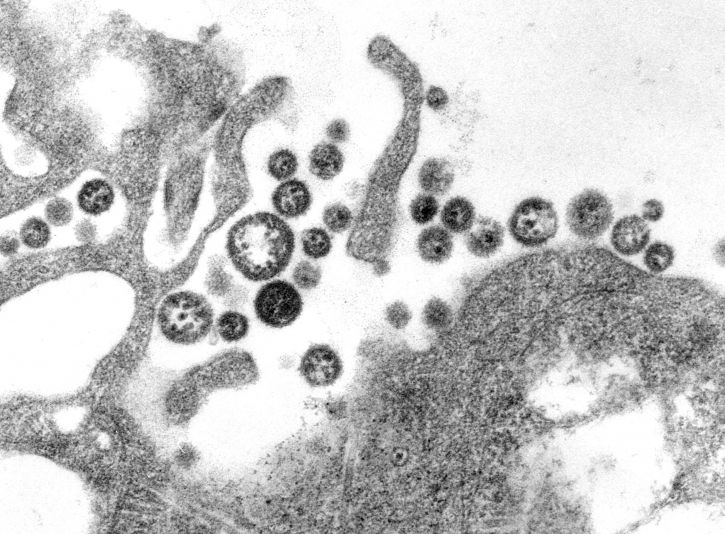
lassa, virus, virions, adjacent, cell, debris, virus, member, virus, family, arenaviridae
Lassa virus particles. CDC's Public Health Image Library.
Image # 8700; photo credit: C.S. Goldsmith.
In an attempt to deal with these issues, the Coalition for Epidemic Preparedness Innovations (CEPI) awarded $37.5 million to Themis Bioscience earlier this month for the development of their Lassa virus vaccine. CEPI was created in the wake of the Ebola epidemic and receives funding from the Wellcome Trust, the Bill & Melinda Gates Foundation, the European Commission, and the governments of Germany, Japan, Norway, Belgium, Canada, and Australia to support the development of vaccines for potential or existing pandemics. While there are many diseases that could fall into this category, the main focus in the next 5 years for the group will be Lassa virus, the Middle East Respiratory Syndrome (MERS) virus, and Nipah virus.

With the funding from CEPI, Themis plans to move into human trials with their Lassa virus vaccine as early as this year. Following the Ebola crisis, the World Health Organization developed a procedure to fast-track the approval of products for use in public health emergencies. The hope is that these procedures could be used in the context of the Lassa virus outbreak to accelerate the development of the Themis vaccine. To further speed development, the Themis Lassa virus vaccine will be based on the measles vaccine vector previously created by the Institut Pasteur, which has already been used effectively in humans. By inserting Lassa virus proteins into this vector, a new vaccine that will prime the body to respond to a Lassa infection will be created. This strategy opens the door to allow for the rapid creation of additional vaccines, as well.

The funding from CEPI will support the preclinical and initial clinical development through a phase 2 trial of the Themis Lassa virus vaccine in order to test its safety and efficacy. The ultimate goal is that the funds will allow the production of a vaccine stockpile that will be ready to test in an outbreak, which may be needed sooner rather than later. While the current outbreak appears to be slowing, and the dry season, when the majority of Lassa fever cases in Nigeria have historically occurred, is coming to an end, a report from Sierra Leone has suggested that the incidence of Lassa fever may actually be higher during the rainy season. This leaves uncertainty about the outlook for the current Lassa fever outbreak. But whether the outbreak continues now or goes dormant for the next 10 years, a vaccine will be a vital weapon in the fight against Lassa virus for the future.

Monday, March 5, 2018

Flu vaccination: Arm yourself against the anti-vax arguement

The flu vaccine. Always a hot topic, especially in years when the vaccine has poor efficacy as it does this year. At times like this, the anti-vax community can gain leverage. So let's take a look at some of the top arguments used in the anti-vax movement and see if we can shed some light on the controversy.


The flu vaccine makes you sick.
People will often say that they got the flu because of the flu shot. This is actually not possible. The flu shot is made with an inactivated, DEAD form of the virus that cannot replicate and transmit. While there can be side effects from the shot that make you feel "sick," this is not the flu. Additionally, the flu vaccine stimulates your immune system, which actually strengthens your ability to fight infections and avoid getting "sick." It is important to note, though, that getting the flu vaccine does not mean you are immediately protected. It typically takes about two weeks to gain the full advantage from the vaccine. People who were already exposed to the virus before receiving the vaccine or who are exposed shortly after vaccination will not be protected.
Image result for flu vaccine
Brian Snyder/Reuters/Landov

The flu vaccine contains mercury that will poison you.
Flu shots that come from a multi-dose vial do typically contain thimerosal, an ethylmercury-based preservative to prevent any bacteria or fungus from contaminating the vaccine. Flu shots that come in prefilled syringes and the nasal flu vaccine do NOT contain this preservative (with the exception of the Fluvirin prefilled syringes from Seqiris, which contain trace amounts of thimerosal). It is important to note the distinction between ethylmercury (found in thimerosal) and methylmercury. Methylmercury is the form of mercury found in foods, like seafood, that is associated with neurological complications. While in vitro studies (in cell culture systems and not in the body) have found little difference between the effects of methyl- and ethylmercury, the story is quite different in vivo (in actual living creatures). Ethylmercury is cleared from the bloodstream significantly more quickly than methylmercury, minimizing the exposure of the body to mercury. Ethylmercury is also compartmentalized by the body more successfully than methylmercury, further limiting exposure. Some may argue that based on the in vitro evidence, ethylmercury is unsafe, but the in vivo data and years of studies have shown that this is not the case. But, if you still want to avoid mercury all together, you can get a prefilled syringe version of the flu shot that contains no thimerosal.

The flu vaccine causes the virus to mutate, becoming more virulent.
This is a popular argument used in the anti-vax community. While that is always a theoretical possibility, there is currently no scientific evidence that this is happening. The influenza virus has an extremely rapid mutation rate, whether you put selective pressure on it or not, so it’s going to be mutating all the time regardless of what we as humans do. This is just the nature of the virus’s replication; the enzyme it uses to replicate its genome makes a lot of mistakes, and the virus is perfectly happy to continue on with those mistakes (aka mutations).

The idea that vaccines create more virulent viruses is typically based on the fact that the use of antibiotics can lead to more pathogenic bacteria, which has been observed. But the vaccine works very differently from an antibiotic. In the case of bacteria, they directly come in contact with and are affected by the antibiotic, which gives bacteria that can survive while in contact a direct advantage. In the case of the vaccine, since it is priming an individual’s immune system and not directly contacting the virus, there is no such direct advantage to the virus. Even if the influenza virus you encounter is different from the vaccine strain, your immune system will be primed and you will have a better chance of successfully clearing the virus. While it is theoretically possible that by vaccinating, you remove the predominant influenza strains, leaving an opening in the environment for a “resistant” strain to fill, most of the highly virulent and dangerous strains have emerged in parts of the world where vaccination rates are very low, so this doesn’t seem to be happening.

Vaccination causes super strains of the flu virus to emerge that are immune to our vaccines. 
Image result for flu vaccine
Influenza virus. Carrington College
People often further argue that our lack of vaccine effectiveness in recent years comes from the emergence of “super” strains of the virus that are “immune” to our vaccines. But the research suggests otherwise. Vaccinemakers use a less-than-ideal system for choosing the vaccine strains that relies on a test using ferrets exposed to the virus. This can lead to incorrect selection and a poor vaccine. Also, improved diagnostic techniques make it more likely for us to capture influenza infection than ever before, so people who would have been diagnosed with some unknown viral disease (and therefore considered “protected”) in the past are now being properly diagnosed as influenza patients. And we are learning that our vaccine production system making the vaccine in eggs leads to its own set of mutations in the vaccine strain that often dampen protection in people. A lot of groups are working to improve the vaccine production pipeline and find alternative ways that don’t involve growing the vaccine in eggs, so that will likely be the way of the future in 5-10 years.

Vaccines cause autism.
This claim is not unique to the flu vaccine and has been spouted at the forefront of the anti-vax community ever since 1998, when Andrew Wakefield and colleagues published a study looking at 12 children that claimed there was a link between the measles-mumps-rubella vaccine and autism. What people in the anti-vax community typically fail to realize is that since that article was published, it has been retracted (the authors themselves admitted their conclusions were inaccurate), Wakefield and colleagues have been found guilty of ethical violations and fraud, and Wakefield has been removed from the UK medical registry. They hand-picked the patients for their study and falsified data to ensure that they would conclude there was a link between vaccines and autism. Additionally, they had received funding from lawyers who had been hired by parents to bring lawsuits against vaccine companies. Since the Wakefield study, many large-scale studies have been performed to see if their initial findings could be confirmed in spite of the ethical issues with the study, but no corroborating evidence has been found. The link between vaccination and autism is based on fabricated data and has no true scientific merit.


In spite of the potentially poor efficacy, healthcare providers will still push for vaccination. Any protection is better than none, especially if you are in contact with the populations at high-risk of dying from infection, i.e. the elderly, babies, and immuno-compromised individuals. The more people who are protected (even if the protection is sub-optimal), the less likely it is for the virus to come in contact with these highly susceptible individuals, and healthcare providers rely on this to keep patients safe. The bottom line is we may have a sub-optimal vaccine, but a lot of people are actively working on that, any protection is still better than none, and there is no evidence that getting the vaccine has any negative impacts on the pool of viruses we are exposed to. So please do not be discouraged, and use your new flu vaccine knowledge to help educate others!

Thursday, August 31, 2017

The mosquito microbiome: An ally in the fight against disease

The annoying buzz of pesky little mosquitoes. At this time of year, the sound can be heard in backyards all around the world. Due to emerging threats like Zika and Dengue virus, people are becoming more and more familiar with the harm these little devils can cause. While vaccines and treatments for many mosquito-borne illnesses remain elusive, some researchers are placing new hope in other micro-organisms who may be able to play a role in preventing these dangerous diseases.

Previous work focused on malaria and its vector, the anopheline mosquitoes, has implicated micro-organisms, such as bacteria or fungi, within the mosquito to have an effect on the mosquito's ability to transmit the disease. Numerous studies in both Anopheles stephensi and Anopheles gambiae have shown that microbes in their midguts can influence the malarial parasite's ability to develop and transmit to new hosts. This is also not a new concept in the Aedes mosquitoes, the vectors for many of the mosquito-borne viruses. Wolbachia bacteria have been successfully introduced multiple times into these mosquitoes to prevent infection in the past.

Most previous studies have focused on introducing microbes to adult mosquitoes. In the field, this naturally presents challenges with application as adult mosquitoes are constantly migrating from place to place. However, recent work highlights that similar strategies could be used on mosquito larvae to influence their ability to transmit disease as adults. Larvae are much more targetable, due to the relative ease of identifying larval development sites.

In the latest study of the mosquito microbiota and its effects on vectorial capacity (the ability of a vector, like the mosquito, to transmit a particular disease), researchers found that differences in bacterial colonization of larvae could have an effect on the adult mosquito's traits. This means that by changing the bacteria larvae are exposed to, you could influence their ability to transmit disease as adults.

While there are many environmental concerns that will need to be addressed before a strategy altering the bacterial make-up of mosquito breeding sites, this new study and the growing body of work focusing on the mosquito microbiome's effects on vectorial capacity offer hope for new strategies to control disease spread. Perhaps some day we will be able to add a simple pellet of bacteria to a pool of water with mosquito larvae and prevent all the subsequent adults from transmitting disease. This may seem like a far-fetched dream today, but with continued research, it could one day be a reality.

Monday, July 31, 2017

New diagnostic method may help fight antibiotic resistance

Coughing, sneezing, runny nose, wheezing; respiratory tract infections are extremely common, with the average American adult enduring two to four each year. Typically, the symptoms last for seven to ten days while you struggle through, and then you get better. If you go to a doctor with these symptoms, they will likely prescribe you a broad-range antibiotic. This may sound fine, but there is a big issue with that: not all respiratory tract infections are caused by a bacterial infection. Over-use of antibiotics has been leading to increased antibiotic resistance for decades. The only way to prevent the over-prescribing of antibiotics for these respiratory tract infections is to determine the cause of each infection. Unfortunately, current technologies for diagnosing these infections are not fast and specific enough to allow timely and proper diagnosis. New technology has emerged that may help with the diagnosis and cut down on the over-use of antibiotics.

When exposed to different pathogens, the body's immune system responds in different ways. A virus, for example, causes cells to react in a different way than a bacterium. The cells of the immune system that can be found in the blood can be profiled to understand what type of infection they are fighting. This has been done by studying the messenger RNAs (mRNAs), also known as transcripts, found within monocytes, a specific subset of immune cells. mRNAs lead to the proteins being made by a cell and often play key roles in regulating the activation of pathways involved in an immune response. A recent study identified ten different mRNAs that could be used to determine if the body was responding to a bacterial or a viral respiratory tract infection. A more recent study further validated these ten mRNAs by confirming their use in 94 hospitalized adults with respiratory tract infections and identified even more mRNAs that could differentiate a bacterial infection from a viral infection. This allows for more appropriate use of antibiotics in these patients and avoids the potential over-use of antibiotics that threatens their effectiveness.

As more and more antibiotic-resistant infections emerge, it is becoming more important than ever to safeguard our potent antibiotics by only using them when necessary. When antibiotics are used, they kill off whatever bacteria are susceptible to their effects, leaving behind only those that are resistant. This helps select for antibiotic-resistant bacteria within a population. The over-use of antibiotics has sped this natural selection process, allowing for the rapid development of resistance even to the newest antibiotics. Using technologies such as this transcript profiling of immune cells will help slow the selection process by ensuring antibiotics are only introduced when they can be of help, allowing our antibiotics to maintain their usefulness longer before resistance develops.

The technology to profile transcripts of immune cells in the blood has the opportunity for application far beyond the identification of bacterial versus viral respiratory infection. Individual pathogens themselves can produce unique immune profiles that could one day be categorized using similar methods. With the standard diagnostics of the past, it is nearly impossible to diagnose a bacterial or viral infection unless the bacteria can be cultured or the virus can be isolated. Knowing the unique transcript profile induced by a pathogen could someday allow for molecular diagnosis of a number of pathogens without the need to culture the bacteria or isolate the virus, allowing for an even more significant reduction in antibiotic over-use. This would also provide more rapid diagnosis; transcript analysis could be performed in a matter of hours, while the diagnostics of the past frequently require days. With emerging technologies, these goals become even more achievable every day, and we may soon see a time when antibiotics are only used for infections confirmed to be caused by a susceptible bacteria.

Friday, March 31, 2017

Mobile phones can make the difference for infectious disease management

Imagine going to the doctor for an HIV test in sub-Saharan Africa. You will likely have to travel a long distance to get to a clinic and, once you arrive, the HIV test will require specimens to be sent to a central testing laboratory for the actual test to be performed. You will then have to wait for the results to be delivered to the clinic and travel back to get the diagnosis. In Zambia, it takes approximately 92 days for this process to be completed. When you are an HIV-positive mother waiting to find out if your newborn child needs anti-retroviral therapy, each of those 92 days can be the difference between life and death for your baby.

New work from Dr. William Moss of the Johns Hopkins Bloomberg School of Public Health and his group focuses on finding ways to shorten the 92-day wait for HIV test results. Capitalizing on the increasing amount of technology available in rural Zambia, Moss and colleagues conducted a study using text messaging to deliver the HIV test results directly to mothers or to the rural health clinics from the central testing lab. They found that by sending a text message to the mother directly, they could reduce the time from sample collection to receipt of diagnosis to just 18 days. Unfortunately, the use of mobile phones is still not widespread; only 30% of mothers in the study had ever used a mobile phone. Luckily, the local clinics do have mobile phones, so using text messaging to deliver results to the clinic can still decrease the time to diagnosis to 36 days. By cutting 56 days off the wait for the diagnosis, the HIV-positive children will receive anti-retroviral therapy nearly 2 months earlier. Reducing the time to treatment for HIV-positive children has been shown to significantly reduce the HIV-associated morbidity and mortality, vastly improving their quality of life.

This is not the first time mobile phone technology has been used in Africa to impact health care. As the number of cell phones throughout the area has increased, some clinics have chosen to provide expectant mothers with a mobile phone so that they can get expedited access to an experienced midwife or healthcare professional. In other areas across the continent, SMS services have been used to target pregnant women and new mothers to ensure early detection of life-threatening emergencies and adherence to treatment regimens for pathogen clearance. These methods and Moss’s study highlight the same conclusion: increased access to mobile phones throughout the area can have major positive impacts on health care. Funding and infrastructure for such technological advances remains a major issue hindering progress.

As noted by Moss in his recent BMC Pediatrics paper, implementation of the mobile phone messaging system for test result delivery was by no means trivial. It required the hiring and training of new staff members, along with the purchase of the study’s mobile phone and “talk time” for the phone. However, with the right funding and infrastructure, the spread of technology throughout Africa has the potential to have significant and widespread impacts on healthcare. Studies such as the one by Moss and colleagues highlight the great potential of available technology. This encourages governments and private sector investors to take note and get involved. Someday soon, nationwide mobile phone messaging systems may become common place, drastically cutting the time to diagnosis and improving individual’s access to care and treatment. 

Wednesday, February 15, 2017

Killing two birds with one stone: A new vaccine to fight rabies and MERS-Cov

In 2003, the world was faced with a serious biological threat. The severe acute respiratory syndrome (SARS) virus hit the scene in China and quickly spread to 28 countries across the globe. The reason for the rapid and global spread lay in the very nature of the virus' infection. It can be spread by close person-to-person contact through respiratory droplets produced when an infected person sneezes or coughs, and the initial symptoms of disease are very non-specific. This allowed the virus to easily be carried via international travel throughout the world. While the number of cases quickly rose to a total of 8,098 within 6 months, the global response was also rapid. The World Health Organization quickly activated their global alert system and began aiding countries in identifying and quarantining those infected and at risk. Thanks to this global response, SARS was quickly handled. However, this virus showed the world how at-risk we are to respiratory viruses in an age of increasing global travel.

Since the 2003 SARS outbreak, scientists have been on the look-out for the SARS virus and other related viruses in an attempt to minimize outbreaks. These viruses are part of a family known as Coronaviridae, specifically the coronavirus sub-section of this family (a typical virion is shown to the right). They are single-stranded, positive sense RNA viruses, which means that as soon as the virus invades a host cell, it can begin making its own proteins and progeny immediately without the need for time for replication or transcription of the genetic material. The coronaviruses that cause respiratory syndromes infect the cells of the lungs, leading to severe and sometimes deadly pneumonia.

In 2012, a novel coronavirus was identified in Saudi Arabia; it was named the Middle East Respiratory Syndrome Coronavirus (MERS-CoV). It quickly spread to the United Kingdom through travel. While the MERS-CoV has never caused an outbreak as large as that of the SARS virus, it has also not been contained as successfully. MERS-CoV outbreaks have continued to pop up from 2012 to now, with the most recent outbreak update coming just last week from Saudi Arabia. The MERS-CoV outbreaks have caused a total of 1,905 confirmed cases in 27 countries, with 677 deaths. The severe pneumonia caused by MERS-coV is more deadly than that caused by SARS and other coronoviruses, leading to the alarmingly high 37% death rate.

There are currently no vaccines and no treatments for MERS-CoV. Quarantining those infected and using additional precautions when treating these patients have been the only successful preventative measures to reduce spread. The biggest problem for complete elimination of this virus is that, unlike the SARS virus, the MERS-CoV can also infect an animal that has frequent contact with humans: camels. In many parts of the globe, camels are essential for transportation and play a pivotal role in the economy. Since camels have been shown to be a reservoir for the MERS-CoV, and people in these regions need to continue to have close contact with these animals, the virus has an easy route to re-enter the human population even with the implementation of the same control measures that were so successful with the SARS virus.

The MERS-CoV can be spread from camels to humans in many ways.
Recent work has focused on elimination of virus from the camel population as a course of action to reduce human infections. Starting with a rabies vaccine, which has long been given to animals and is well-tolerated, a group in the United States has shown that immunity to both rabies and MERS-CoV can be achieved in mice. In order to do this, they took a piece of the MERS-CoV spike protein and fused it to the rabies G protein. This allowed a portion of the MERS-CoV to be incorporated into the rabies virus vaccine particles for delivery to the mice. After receiving the immunization, mice were challenged with the MERS-CoV and were found to be protected from infection. The researchers also found high levels of neutralizing antibodies against both MERS-CoV and the rabies virus in the blood of the mice.

While this vaccine candidate is still in the early stages of development, the successful use of the previously tested and approved rabies vaccine as a backbone may provide a way to shorten the timeline to implementation of the vaccine for animals on a larger scale. This could provide a way to start to eliminate the MERS-CoV reservoir and begin to reduce outbreaks in people across the globe. While other research groups are still searching for human vaccination and treatment strategies that will greatly improve our ability to decrease disease severity and save lives, dealing with this large camel reservoir will be an essential step before disease elimination and eradication can truly be considered.

Friday, January 27, 2017

Measles on The Oregon Trail and now

"John has measles." Our journey along The Oregon Trail wraps up with a member of our party falling ill with the measles virus. This leads to the stereotypical measles rash, along with fever and coughing. The mortality rate from measles tends to be low in developed countries, but in places of poverty and food shortages, the mortality rate can be as high as 28%. One of the biggest problems with measles is that it is highly contagious and can be spread through the air. There is also no treatment for this disease, leaving disease prevention as the best strategy for dealing with the measles.

While the march towards the eradication of measles has been well underway for many years, cases have begun to rise in number again recently. Just this week, an outbreak occurred in Los Angeles County, infecting 20 people so far. A vaccine for measles was developed in the 1960's, leading to a sharp decline in the number of cases in the U.S. almost immediately in the late 1960's. Global efforts to increase vaccination have been funded by the American Red Cross, the United Nations, the Centers for Disease Control, UNICEF, and the World Health Organization. The measles vaccine has also been improved over the years to provide better immunity to those vaccinated, giving us the MMR (measles-mumps-rubella) vaccine of today. Thanks to these efforts, measles deaths worldwide had decreased to just 164,000 in 2008.

Unfortunately, in 1998 a paper was written by Wakefield, et al. in The Lancet, showing a link between the MMR vaccine and autism. Although this paper was retracted by 10 of the 12 authors in 2004 and completely retracted by The Lancet in 2010, the publicity this paper received raised doubts for many parents about the safety of the vaccine for their children. Many people may still be unaware that in 2011, the authors of the paper were found guilty of deliberate fraud, which they had committed by picking and choosing what data to include in the paper. As a result, Andrew Wakefield, the lead author of the paper, had his United Kingdom medical license revoked. Even with the retraction and the slew of studies that followed, showing repeatedly no link between the vaccine and autism, parents have continued to voice concerns about vaccinating their children.

For a vaccine to eliminate disease, 100% vaccination is not essential. In vaccination there is a concept known as herd immunity, which has been defined as "the resistance to the spread of a contagious disease within a population that results if a sufficiently high proportion of individuals are immune to the disease." When a high percentage of the population is immune, the virus cannot be introduced or spread well because it will encounter too many hosts that are not susceptible to infection. For herd immunity to work for the measles, generally about 95% of the population needs to be vaccinated and immune. There have long been religious organizations that have opposed vaccination, as well as immunocompromised individuals who were not eligible for vaccination. Even with these small groups of people, high enough vaccination rates were reached to achieve herd immunity in many countries. Unfortunately, the recent increases in the number of parents actively choosing to not vaccinate their children due to fears of autism or other complications and the number of parents who simply do not see the benefit of vaccination and opt out has led to a decrease in the vaccination levels. This has made herd immunity much less effective, allowing cases of measles to increase again.

While the scientific community has repeatedly performed studies to test the safety of vaccines and found that there is no link between the MMR vaccine and autism, the negative publicity from the Wakefield, et al. paper has severely damaged the reputation of this vaccine. Re-educating the public about the safety and necessity of this, and other, vaccines has become a major priority in the wake of the number of measles outbreaks in Europe and the U.S. in recent years. With no treatment for measles, the MMR vaccine remains the only real hope for protecting the population from this highly contagious, yet preventable, disease.

Tuesday, August 16, 2016

Amanda Elmore and Team USA's victory in the Olympic W8+ is cause for excitement, but the health risks they faced to achieve this feat are not

Rio de Janeiro. Already well known for its vibrant culture and nightlife, this Brazilian city has also become known for sports this month as they play host to the Games of the 31st Olympiad. Many brand new athletic facilities were created specifically for these games, and Brazil poured a projected $18 billion or more into bringing these games to life. Even more funding was supplied by sponsors, like Coca Cola. Unfortunately, not all sports venues could be made ideal.

Guanabara Bay and Copacabana Beach off the coast of Rio are the sites of five aquatic events in this year's games: sailing, rowing, canoe sprinting, the triathlon, and marathon swimming. In addition to hosting these great sporting events, these waterways also play host to many unwelcome guests: multi-drug resistant bacteria and viruses of many varieties.

The Brazilian government has been aware for years that raw sewage has rushed into their waterways from the cities. In their bid to bring the Olympics to Rio, Brazil pledged to put forth $4 billion to deal with their water contamination issues. Unfortunately, due to a "budget crisis" they were only able to invest $170 million before the Games began. The results of this lack of funding may end up having devastating effects on the health of athletes at these games.

A study published by Renata Cristina Picao's group in Brazil in 2015 looked specifically at the bacterial populations of the water from the beaches surrounding Rio de Janeiro. They studied a total of 18 water samples from different regions along the coastline. Of these isolates, only one had bacteria with susceptibility to imipenem, a common drug used to treat bacterial infections in this area. Resistance rates to other popular drugs were also alarmingly high, with 77.8% of the isolates showing bacteria with resistance to cefotaxime, 50% showing resistance to cefepime, 27.8% showing resistance to gentamicin and amikacin, and 5.6% showing resistance to ciprofloxacin. With drug resistance running rampant in the bacteria that call this water home, being on or, even worse, in this water may pose a significant health threat to athletes.

Possibly an even larger threat than the bacteria in these waters are the viruses that can also be found. Hepatitis A virus can be found in human waste, and experts speculate that ~60% of Brazilian adults are exposed to the virus. In waters that contain large amounts of human waste, like the ones the athletes will be exposed to, the risk of infection is significant. The CDC recommends that all travelers to Brazil, not just those who will be exposed to the water, receive the Hepatitis A vaccine. With appropriate use of the vaccine, an outbreak of Hepatitis A can likely be prevented, though some have questioned whether or not the vaccine will protect against the local strains of the virus.

In addition to Hepatitis A virus, water tests have found alarmingly high levels of multiple types of adenovirus, which can cause severe gastrointestinal problems and do not have vaccines. Fernando Spilki, a Brazilian virologist, performed water testing for the Associated Press and found levels of adenovirus from 14 million to 1.7 billion virions per liter of water. To put this in perspective, California officials become concerned about their water quality if the level rises to just 1,000 virions per liter.

Many may wonder why, with the popularity of these beaches among Brazilians, there has not been a major viral outbreak or an outbreak of multi-drug resistant bacteria in the region already. The answer likely lies in the fact that these native-born and raised Brazilians have been exposed to these bacteria and viruses from a very young age, allowing their bodies to develop a successful immune response to the pathogens. However, the same immunity will not exist for the foreign athletes who will be exposed to these waters.

In the year leading up to these games, some athletic groups have already trained and raced on these waters. Many documented athletes experiencing illness. The World Junior Rowing Championships were held in Rio in 2015, and the U.S. team documented 13 rowers who suffered gastrointestinal illness following the event. The Australian sailing team has trained on the waters around Rio for the past several months, and they also have had athletes fall ill with gastrointestinal problems.

Though independent water testing has identified the water as potentially hazardous to health, the International Olympic Committee has maintained that the water is safe enough for the events to be held. The World Health Organization (WHO) has recognized that the water quality is less-than-ideal, and has issued several statements for travelers warning them of the potential for infection if exposure to contaminated water occurs. Additionally, the WHO has recognized that sites in the Guanabarra Bay, where sailing, rowing, and canoe sprinting take place, do not always meet the standards of safety, based on bacterial testing. As a precaution, they recommend that for all bodies of water "all athletes should cover cuts and grazes with waterproof plasters prior to exposure, try to avoid swallowing the water, wash/shower as soon as possible after exposure and, as far as possible, minimize their time in the water and avoid going in the water after heavy rainfall if possible." In events like the triathlon, where the swim portion is upwards of 20 minutes, and the marathon swim, which can take 2 hours or more to complete, minimizing time in the water is not always a viable option.

In light of the potential health risks, athletes and spectators alike will need to use increased caution regarding the Rio games. Monitoring for illness is going to be critical to prevent severe illnesses from developing. Many have focused on the potential threat of Zika virus at these games, but the threat of the multi-drug resistant bacteria and viruses in the waters should not be forgotten. All can cause significant problems and really ruin the Olympic experience. Perhaps next time the Olympic Committee will be more skeptical of selecting a location with such serious health concerns unless they are willing to chip in some funds to help the country address the situation. Such a gesture would not only have a positive impact on the athletes, but more importantly, it would have a sustained impact on the residents of the host country for years after the conclusion of the Games.


--On a side note, I'm so proud of my former teammate Amanda Elmore and the entire U.S. W8+ for dominating and winning gold at Rio!! Boiler Up!

Tuesday, May 31, 2016

Yearly outbreaks of Lassa fever take center stage

The multimammate rat Mastomys natalensis is a common feature of savannas and forests in many portions of Africa. These pesky rats often infiltrate people’s homes and make themselves comfortable indoors, feasting on any available food stores. While doing so, they leave behind urine and fecal matter. This can be the start of a local Lassa fever epidemic.

Lassa virus is a single-stranded RNA virus that is member of the Arenaviridae family, similar to the Ebola and Marburg viruses. The virus is vectored by the multimammate rats of Africa. Lassa virus, named after the town in Nigeria where the first case arose, is endemic in Sierra Leone, Liberia, Guinea, and Nigeria. However, cases can also be picked up by travelers and brought back to their home countries. So far this year, Lassa has been reported in Nigeria (273 cases, 149 deaths), Liberia (38 cases, 15 deaths), Germany (2 cases, 1 death), Sweden (1 case), Togo (2 cases, 1 death), and Benin (71 cases, 23 deaths). Lassa is frequently transmitted from the original infected person to healthcare workers, as the disease is not easy to diagnose and is easily spread through contact with infected blood, tissue, or secretions.

The symptoms of Lassa fever are non-specific and almost non-existent in many cases. 80% of those infected will have mild symptoms of fever, general malaise, and/or headache. In 20% of cases, however, much more severe symptoms can occur. Hemorrhaging, respiratory distress, swelling, and vomiting are associated with severe disease. Additionally, Lassa fever can often lead to various degrees of deafness, which can be permanent; as many as 25% of people who survive the disease will suffer from some form of deafness, even if they only present with mild symptoms.

Treatments for Lassa include antiviral drugs, such as Ribavirin, which show the highest efficacy when given early. However, Lassa symptoms do not usually manifest until 1-3 weeks after exposure to the virus, and diagnosis requires the use of an enzyme-linked immunosorbent serological assay (ELISA), which is not cheap and often not available in the clinics. The small Seattle biotech company Kineta recently won a $7.2 million award to develop a novel antiviral specifically for treating Lassa fever. This could help overcome the logistic challenges of treatment. In the current outbreak in Nigeria, for example, health officials have said that logistics support and delayed case reporting by the states is severely dampening their ability to combat the threat.

The typical Lassa virus transmission season is beginning to wind down this year, and WHO believes that the number of cases is on the decline and that the epidemic will end soon. Others, however, are concerned that the WHO and local governments have not taken the outbreak seriously enough. The outbreak was not officially announced until January of 2016, while cases had begun to occur last August. The public in Nigeria has also raised questions as to whether or not the government has been down-playing the significance of the outbreak. This year’s outbreak has been far more deadly and widespread than others in the past. The mortality rate has approached 50% in Nigeria this year, a massive increase from the more typical 1%. Additionally, Lassa has spread to more states in Nigeria than have ever seen the disease before.

Officials have cited increased awareness of disease as a major reason for the uptick in mortality and spread. In the wake of the Ebola outbreak, more cases of fever and hemorrhage have been reported to the health system, allowing for increased diagnosis of Lassa. But beyond the public health aspects at play, some researchers fear the virus itself may be undergoing changes that are allowing the increase in spread and making it more deadly than before. Only time will tell whether it is just increased vigilance or viral mutations that are the driving forces here. For now, all we know for sure is that sales of rat poison are on the rise as the countries continue to fight and manage this most recent epidemic.

Saturday, April 30, 2016

Yellow fever strikes again

Yellow fever is an age-old disease that has plagued Africa, Latin America, and, sporadically, portions of Asia for centuries. A recent outbreak of yellow fever erupted in Luanda, Angola in late 2015. It is estimated that since the outbreak began, there have been over 1700 cases and 238 deaths from the disease, though many organizations believe these could be underestimated numbers due to poor reporting. While the global response was quick and yellow fever vaccine was immediately deployed in the area, this outbreak has exposed our true weakness against this disease: our meager vaccine production capabilities.

Yellow fever is a disease cause by a virus of the family Flaviviridae, the same family that plays host to Dengue virus, West Nile virus, and the latest superstar, Zika virus. The yellow fever virus is spread between humans through a mosquito vector. Disease spread occurs through three different transmission cycles: the jungle, or sylvatic, cycle, typically spreads disease from a nonhuman primate to other nonhuman primates, with the occasional cross to humans; the urban cycle typically spreads disease from human to human; and the intermediate, or savannah, cycle can involve transmission from both nonhuman primates and humans to other nonhuman primates and humans. Each transmission cycle uses its own mosquito vectors, with Aedes aegypti, also known as the yellow fever mosquito, being responsible for the urban cycle that typically lead to the most severe outbreaks. Once a mosquito takes a blood meal from a human infected with the virus, the virus begins replicating and infecting the cells of the mosquito. Once the infection spreads to the mosquito’s salivary glands, the virus can be passed on to a new human.

Yellow fever virus often leads to mild, or no, disease in humans. Patients may experience fevers, aches, chills, and other flu-like symptoms. However, about 15% of cases can lead to severe disease and bleeding, shock, and organ failure; roughly half of these cases are fatal. We have no cure for yellow fever, so our best defense is a good offense. The yellow fever vaccine is known to be highly efficacious, typically providing lifelong immunity after just one dose. However, there are major problems with yellow fever vaccine production which have led to our current defensive stance against the virus.

The yellow fever vaccine is produced using a very old-fashioned and low-tech procedure introduced 80 years ago that involves passing the virus through chicken embryos to produce attenuated, less-virulent virions. This process can only be done in four facilities throughout the world, two government-run plants in Russia, the vaccine company Sanofi Pasteur’s plant, and the Pasteur Institute. Between these four facilities, it is estimated that 75 million doses of vaccine can be made each year. In the past, this has been enough to deal with the vaccination of children in many areas, but has not been able to cover the catch-up vaccinations of adults who were not vaccinated as children. Since the outbreak in Luanda, nearly 6 million people in that city alone have been vaccinated, but the disease has continued to spread throughout the rest of Angola, depleting the global emergency stockpile of vaccine. With the vaccine in high demand, a United Nations report estimated that they would need 42% more vaccine than was available in the next 3 years. Unfortunately, vaccine production is expected to decline rather than increase in the near future as one of the four plants will be closing for a 5-month renovation.

Many experts worry that the worst case scenario, a spread of yellow fever to Asia, where the disease has not been able to gain a solid foothold in the past, would be catastrophic. With vaccine stores already depleted, we would have no defense against such a spread. There are currently no signs of this being a threat, so we still have time to gain the upper hand. If we can remain on the offensive against this disease and find ways to streamline and increase vaccine production, this global threat could one day become a thing of the past. But such an achievement would require a renewed research effort into yellow fever vaccine production, and increased funding for this endeavor. In a tight funding climate, this can be a difficult feat to achieve, but such an achievement is essential for ensuring the protection of future generations from outbreaks like the one currently happening in Angola.

Sunday, February 14, 2016

A new way to fight the flu?

Coughing, runny nose, fever, achy joints. These are some of the stereotypical symptoms of the flu. Every year during flu season, about 10% of people will come down with the illness. While most people just take a few days off from work, sleep, and drink lots of fluids to recover, the flu can be associated with much more severe disease. I’m sure we all remember the H1N1 outbreak a few years ago, and the severity that came with that. In that outbreak, as well as previous ones, it was shown that young adult women were more likely to experience severe outcomes associated with the disease than men. Interestingly, during the H1N1 outbreak in 2009, women were 2-6 times more likely to die from the infection than men.

This issue of gender differences in disease has long been of interest to Dr. Sabra Klein, Associate Professor in the Johns Hopkins School of Public Health. She has dedicated years of study to the issue, and recently made an exciting breakthrough that may aid in our treatment of women with influenza.

Dr. Klein’s lab published an article in the American Journal of Physiology - Lung Cellular and Molecular Physiology in late December. The study found that estrogen and estrogen-like compounds could reduce the level of flu virus replication in the human nasal epithelial cells of women, but not men. This seemed to be caused through the action of the genomic estrogen receptor 2. Notably, this reduction in virus level was not associated with an increased production of cytokines, but rather a decrease in cellular metabolism. Since cytokine storms are often associated with adverse outcomes for women with the flu, the fact that this antiviral effect was achieved without excess cytokines is very promising.


The flu virus isn’t the first disease that’s been found to be inhibited by estrogen. Replication of Human Immunodeficiency Virus (HIV), Hepatitis C, and even Ebola has been shown to be inhibited by estrogen. This raises the possibility of new treatments for these diseases. Select estrogen receptor modulators (SERMs) such as clomiphene and raloxifene are already approved by the FDA for treatment of osteoporosis and infertility. It is possible that someday, these or other similar drugs could be repurposed to treat the flu in women, along with these other viral infections. That would certainly be one small step for woman, one giant leap for man and womankind.

Friday, January 29, 2016

Zika virus--an emerging infectious disease or an old nuisance?

Zika virus has been peppering the news the last few weeks as cases have begun to emerge in the United States. What the news anchors most likely won’t tell you is that Zika is just the most recent of the “tropical” diseases to make its way into the US. Also, they probably won’t mention that transmission of Zika within the US is unlikely at this point, so efforts for disease control and eradication should be focused at the epicenter of the outbreak, South America. Here are the facts of this disease.

Zika is not a new virus. Outbreaks have occurred throughout Africa, Southeast Asia, and the Pacific Islands since the 1950's, long before the outbreak of 2015 that caught the media buzz. The infections spread to Brazil in May 2015, and have disseminated from there for the past 9 months. Zika virus is transmitted between people by the bite of an infected female Aedes mosquito. The Aedes mosquito is also responsible for the transmission of Dengue virus and the emerging Chicunguña virus, which have also recently popped up on the radar of Americans. These mosquitoes are very common near the equatorial zone of the globe, including the southern US states, but not as common farther north.
They are known to lay eggs in bodies of standing water, which can be as small as a bucket. Once they reach adulthood, a female must take a bloodmeal in order to lay her eggs. This genus of mosquito prefers to feed on humans above other mammals, and they tend to feed during the daytime. Each bloodmeal is an opportunity to pick up or spread the virus.

At this time, the only real way to deal with Zika virus infection is to prevent mosquito bites. There is no vaccine for the virus, and also no cure. Once infected, an individual has about a one in five chance of developing illness. However, it is important to remember that even those who do not develop clinical symptoms can contribute to spread of the disease as the virus replicates in their cells. The most common clinical symptoms include fever, rash, joint pain, and conjunctivitis. In most cases, the disease is mild and resolves itself in a few days. The real danger that has been identified with Zika virus is the risk that it poses to pregnant women. Zika has been linked to microcephaly in the developing fetus, leading to birth defects and lifelong challenges.


Now for my own opinions. Since the same mosquitoes can carry the Zika virus as carry the Dengue and Chicunguña viruses, fighting all three together through mosquito control is a logical step. In the United States, we are fortunate to have the luxury of air conditioned buildings with firm walls and screened windows, keeping us at a lower risk of exposure to mosquito bites. This is not the case in many other countries. If we, in America, want to stop the threat of Zika (and other mosquito-bourne pathogens), we should think about focusing our efforts on expanding mosquito control methods in other countries. Of course, it would be great to develop a vaccine for this disease; but vaccine development takes many years, and that strategy would require a separate vaccine for each of the mosquito-bourne diseases. Vaccination is a great long-term goal, but to have the most impact in the short-term, vector control is an essential component of the strategy. 

The fight against infectious diseases is difficult and often disheartening. As soon as one outbreak is under control, another arises. As a global community, we just wrapped up the Ebola crisis, and now another potential crisis is emerging right in front of use. But it is important to remember our past successes as a global community that works together to save the lives of everyone at risk from these infections. As has been done with smallpox and almost done with polio, diseases can be controlled and even eradicated if we can just work together and find the right way to address them.